The best Mossel Bay attractions aren't the ones you'd guess from the N2 fuel stop. Most Garden Route road-trippers treat Mossel Bay as a place to fill the tank between Cape Town and Knysna — and drive straight past a town where the first Europeans landed in 1488, where great whites cruise a seal island you can reach in ten minutes, and where a clifftop trail runs past a cave that helped rewrite the story of our species. This is my ranked list: worth-a-detour picks at the top, nice-if-you-have-time at the bottom.
1. Cape St Blaize — Mossel Bay's lighthouse, cave and clifftop trail
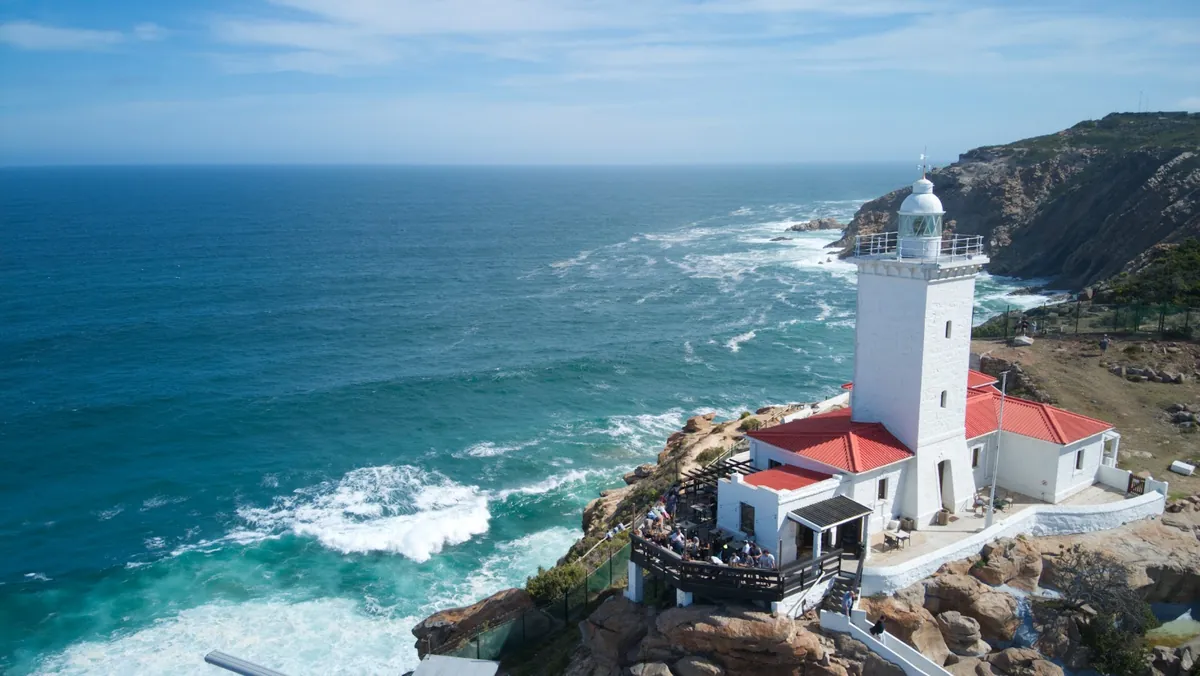
If you do one thing in Mossel Bay, come out to the point below the lighthouse. The Cape St Blaize Lighthouse was completed in 1864 (its foundation stone laid in 1862 by the visiting Governor Wodehouse) and it's still a working navigational light — largely automated now, but staffed. You can tour it and climb the tower for the view back over the bay.
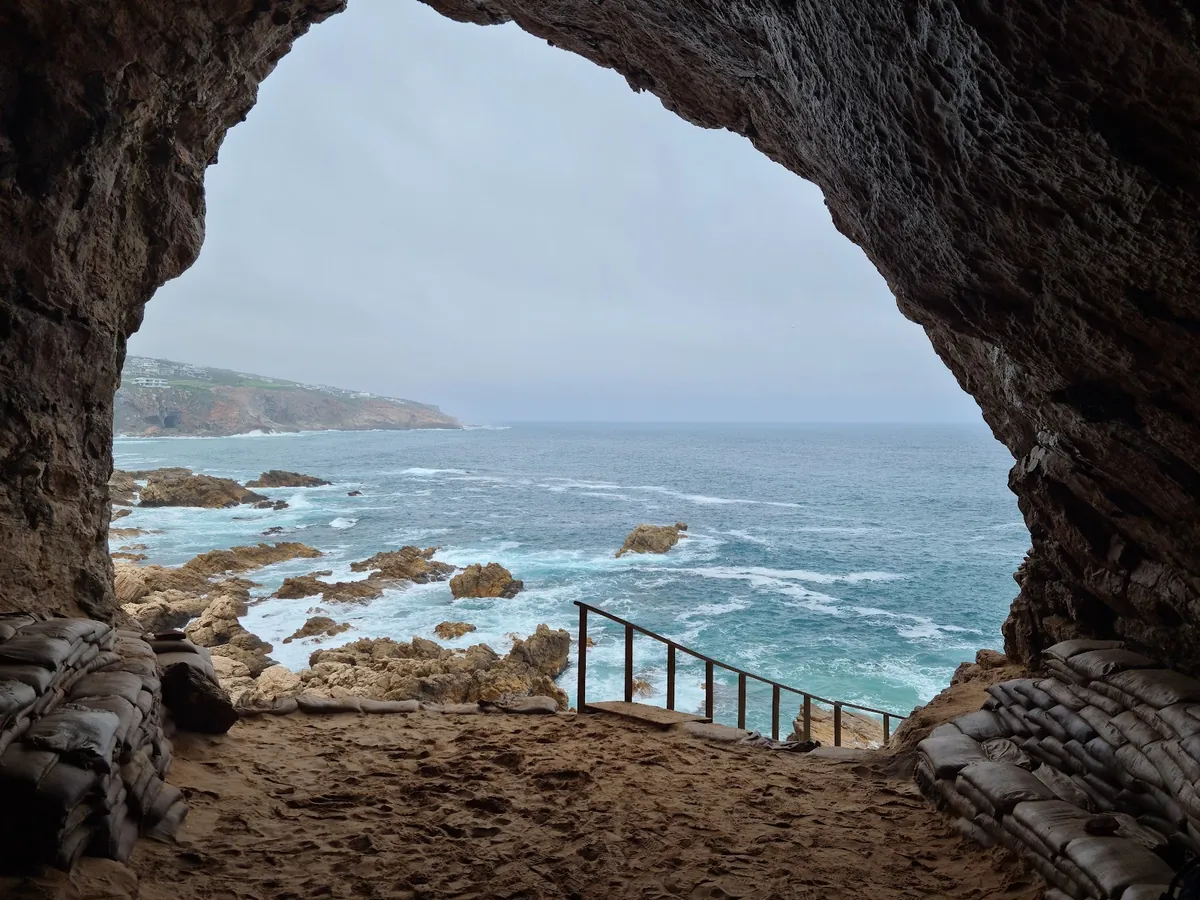
Directly below it is Cape St Blaize Cave, the site of some of South Africa's first Middle Stone Age archaeological excavations. More recently it was studied as part of the same Mossel Bay Archaeology Project that dug the famous Pinnacle Point caves a few kilometres west (more on those below). Standing at the cave mouth, looking out at the same ocean early humans watched, is a genuinely moving thing — and it's free.
From the cave, the St Blaize Trail runs 13.5 km (about six hours) along the 30-metre contour line westwards to Dana Bay, marked the whole way with the sign of the oystercatcher. You don't have to walk the full thing — even the first hour out and back is the best clifftop walking on this part of the coast. Go early, take water and a windproof.
What it's not: a hard hike. The trail is long but flat and easy underfoot — it's the exposure to wind and sun you plan for, not the climb.
2. The Bartolomeu Dias Museum and the caravel that sailed from Portugal
Mossel Bay's founding story is the reason the town exists, and the Bartolomeu Dias Museum Complex tells it well. The Portuguese explorer Bartolomeu Dias and his crew landed here on 3 February 1488 — the first Europeans to set foot on South African soil — and found a spring to refill their water casks, which is why the bay became a watering place for centuries of passing ships.
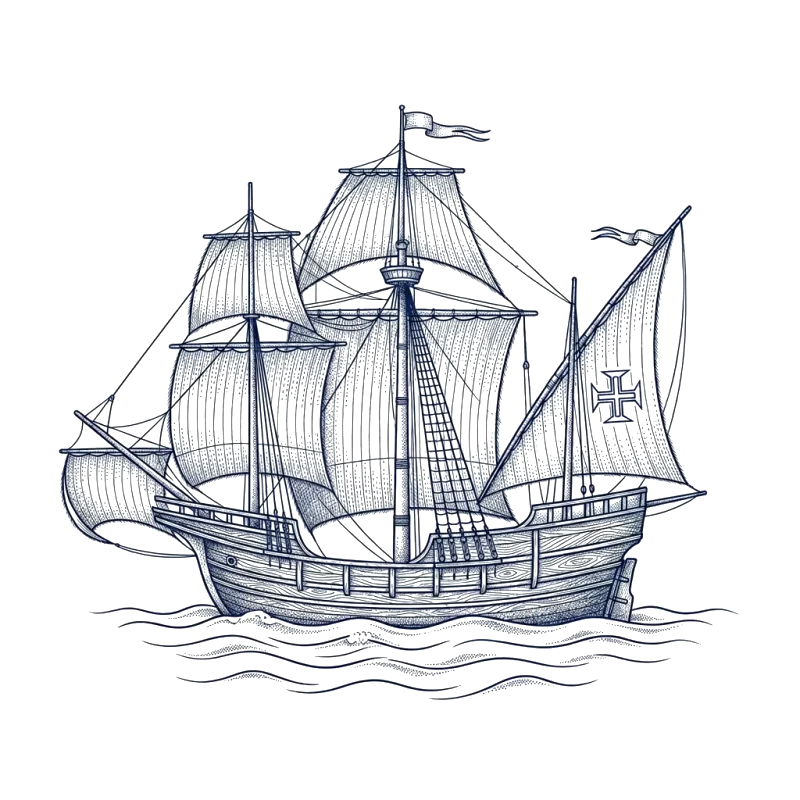
The centrepiece is a full-size replica of Dias's caravel, built in Portugal for the 1988 quincentenary of the voyage and sailed all the way to Mossel Bay, where it arrived to an ecstatic welcome. It sits under cover in the maritime museum, so this is your rainy-day pick too.
Out on the grounds, the Post Office Tree — an ancient milkwood and national monument — marks what's thought to be the first postal activity in South Africa: in 1501 João da Nova found a letter left in a boot under the tree by an earlier Portuguese seafarer. You can still post a card here in a boot-shaped postbox.
Mossel Bay is the western gateway to the region, so if you're building a bigger trip our Garden Route travel guide sets the whole route in context.
3. Seal Island by boat — Mossel Bay's Marine Big 5
Two kilometres off the harbour sits a low, rocky island packed with thousands of Cape fur seals. Romonza Boat Trips runs the short cruise out from the harbour — seal-island trips, whale-watching in season (roughly June to November), and sunset cruises. On a good day you'll get the "Marine Big 5" in one outing: whale, dolphin, seal, shark and the African penguin.
It's an easy, family-friendly hour on the water, and the seals alone are worth it — hundreds of them hauled out and barking, with more porpoising around the boat.
4. Great white shark cage diving off Mossel Bay
Mossel Bay is one of the few places in the world with year-round great white sightings, and the cage-diving anchor point is that same Seal Island — a ten-minute boat ride from the harbour. White Shark Africa runs the trips. You don't need a scuba qualification: the cage sits at the surface and you use the breath-hold method, dropping below the waterline when a shark comes in.
Be honest with yourself about sea legs — the boat holds position in swell for a few hours, so take something for seasickness if you're prone. When the visibility and the sharks cooperate, it's unforgettable.
5. Santos Beach — Mossel Bay's warm, north-facing swim
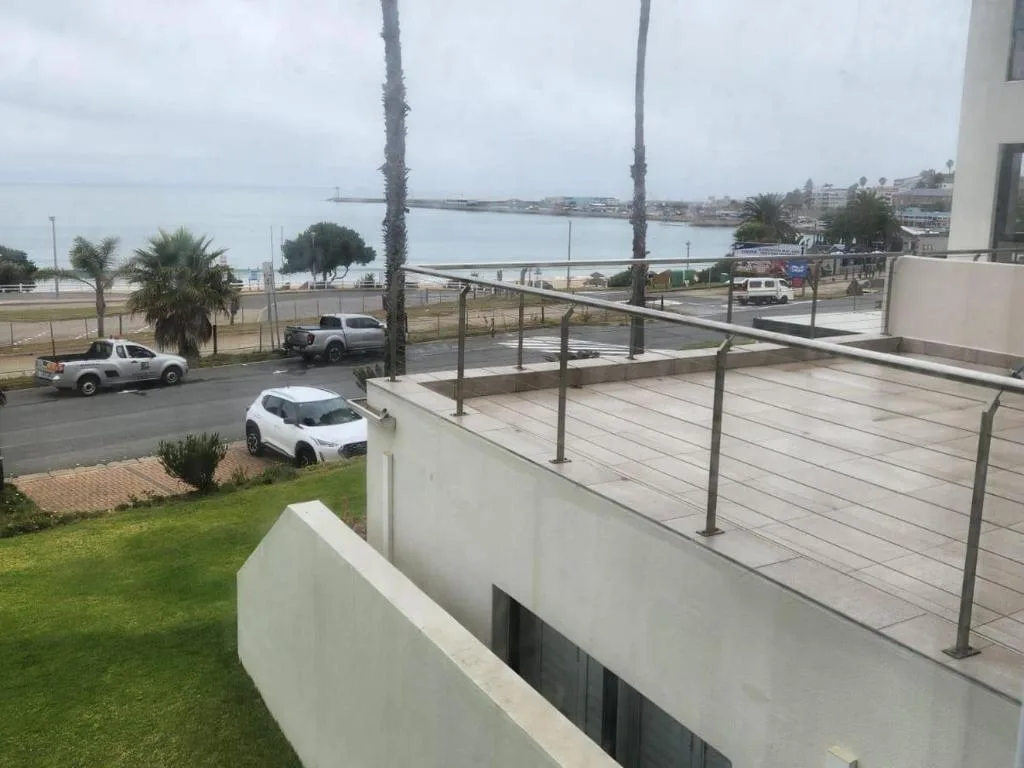
Santos is the town beach, and it has an unusual trick: it's one of very few genuinely north-facing beaches in South Africa, which shelters it from the prevailing wind and swell. The upshot is calm, warm water — a comfortable 20–22°C through summer (November to March) — and safe, easy swimming right below the old Santos Pavilion.
It flies the Blue Flag, awarded for water quality, environmental management and its safety record, so it's a reliable family swim. Lifeguards in season, parking close by, and the harbour and restaurants a short walk away.
6. Big 5 safari near Mossel Bay — Gondwana and Botlierskop
You don't have to fly to Kruger for the Big Five. Two malaria-free private reserves sit within an hour of town, and we compare all four game reserves near Mossel Bay — day-drive prices and all — separately. Gondwana Private Game Reserve, in the Outeniqua foothills near Mossel Bay, runs across 11,000 hectares of Big Five country and, being malaria-free, is safe to safari year-round — it's about a four-hour drive from Cape Town, which makes it the closest Big Five to the Mother City. Botlierskop, between Mossel Bay and George, is the other malaria-free option and does day safaris as well as overnight stays.
Book a game drive as a day trip, or stay a night for the dawn and dusk drives when the animals are actually moving.
7. Pinnacle Point — 164,000 years of human history
A few kilometres west of town, tucked below a clifftop golf estate, is one of the most important archaeological sites on earth. Excavations of the Pinnacle Point caves since 2000 have revealed Middle Stone Age occupation between roughly 170,000 and 40,000 years ago. This is where researchers found some of the earliest evidence for modern human behaviour: systematic shellfish harvesting, the deliberate grinding of ochre pigment, and advanced "micro-lithic" bladelet tools.
The research team's conclusion — that modern human behaviour most probably first emerged on this southern Cape coast around 164,000 years ago — is why some call this the cradle of us all. You visit on a guided walkway tour (booking essential); the caves sit within the Pinnacle Point estate, which also has a dramatic clifftop golf course if that's more your speed.
8. Diaz Beach and De Bakke — the family swim
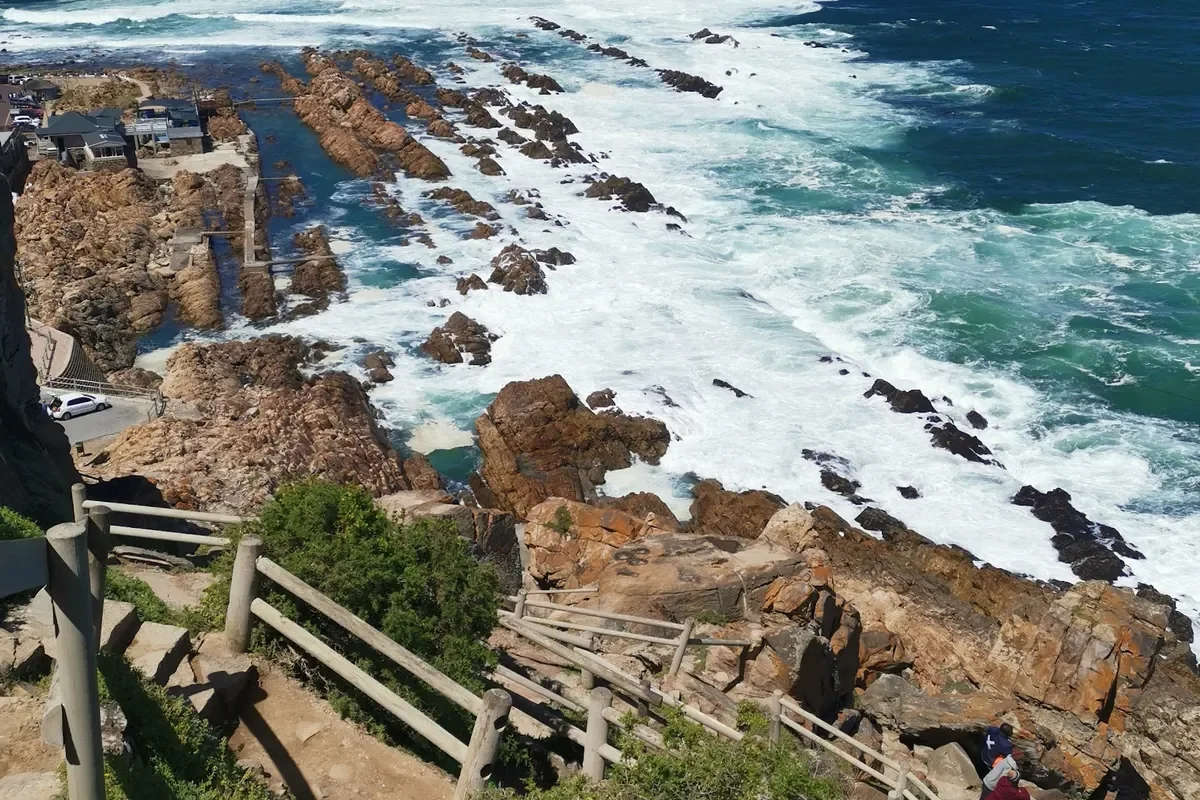
If Santos is busy, Diaz Beach and the adjoining De Bakke are the other calm, swimmable town beaches, with a tidal pool that's ideal for small children and nervous swimmers. Easy parking, gentle water, and a boardwalk down through the dune vegetation to the sand.
9. The Oystercatcher Trail — slackpacking the coast
For walkers who want more than a morning, the Oystercatcher Trail is a guided multi-day coastal walk — four nights and three days covering about 46 km between the Gourits River Mouth and Mossel Bay. It's a slackpacking trail, which is the civilised way to do it: you unpack once and carry only a day-pack, with your bags moved ahead and the same comfortable bed each night. Beaches, dunes, rocky shore and shipwreck sites, with a guide reading the coast for you.
10. Skydive over Mossel Bay
The last one is for the brave. Skydive Mossel Bay runs tandem jumps from 10,000, 14,000 or 16,000 feet, freefalling at 200–240 kph for as long as 35–60 seconds before the canopy opens. The reason to do it here rather than anywhere else: the view. On the scenic climb and the descent you get an eagle's-eye sweep of the Indian Ocean, the Outeniqua Mountains and the Garden Route beaches all at once.
Mossel Bay practical tips
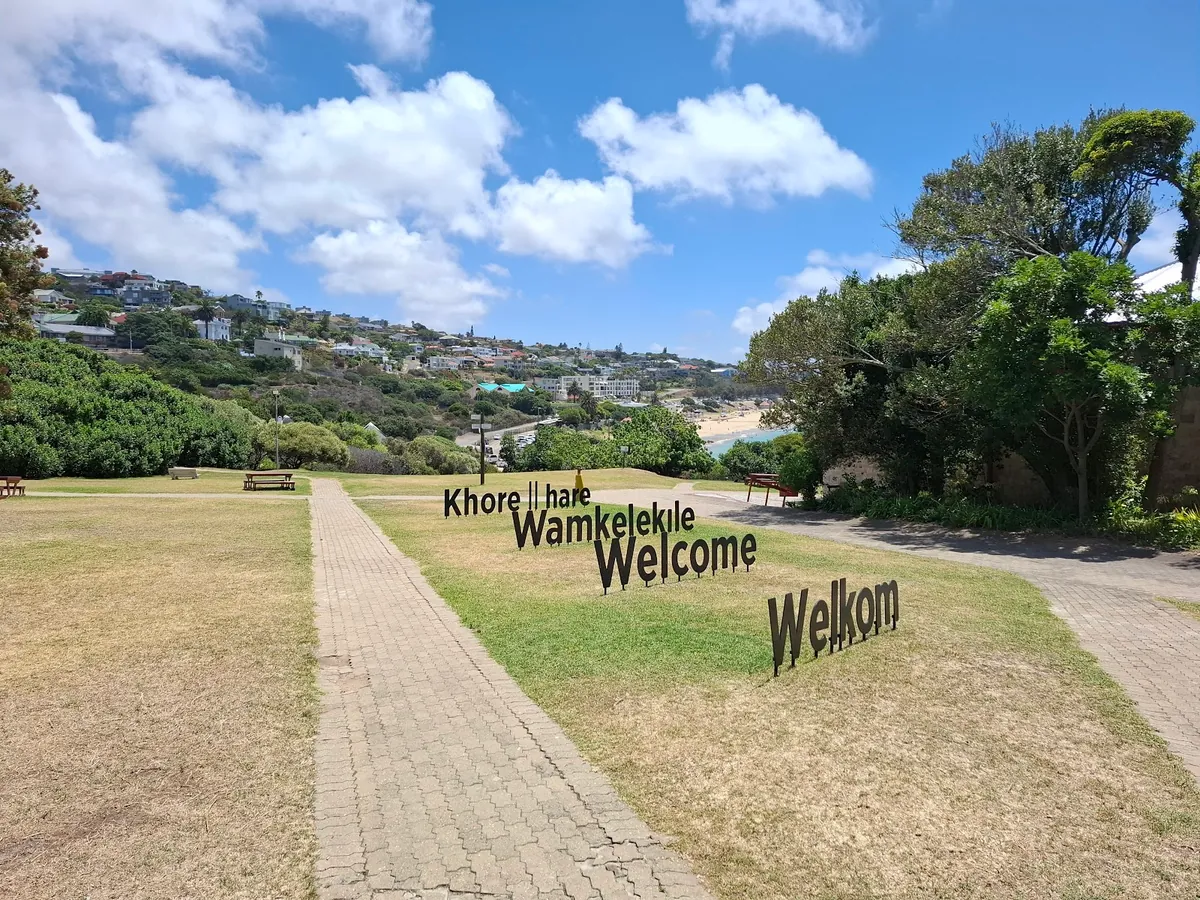
- When to go — Mossel Bay's climate is mild all year, with less rain and wind than much of the Cape. Summer (December–March) is warmest for swimming; whales are around June–November.
- Book ahead for the guided things — shark diving, Pinnacle Point cave tours, the Oystercatcher Trail and safaris fill up in peak season (December–January, Easter, July school holidays).
- Mornings win — the sea is calmest and the light is best before the afternoon breeze. Book the earliest boat slot.
- It's the gateway — Mossel Bay is roughly 400 km east of Cape Town on the N2, so it's the natural first overnight stop on a Garden Route road trip.
- Emergency numbers — NSRI Mossel Bay and the universal emergency number 112 (mobile) are worth saving before any boat trip or swim.
Where to stay in Mossel Bay
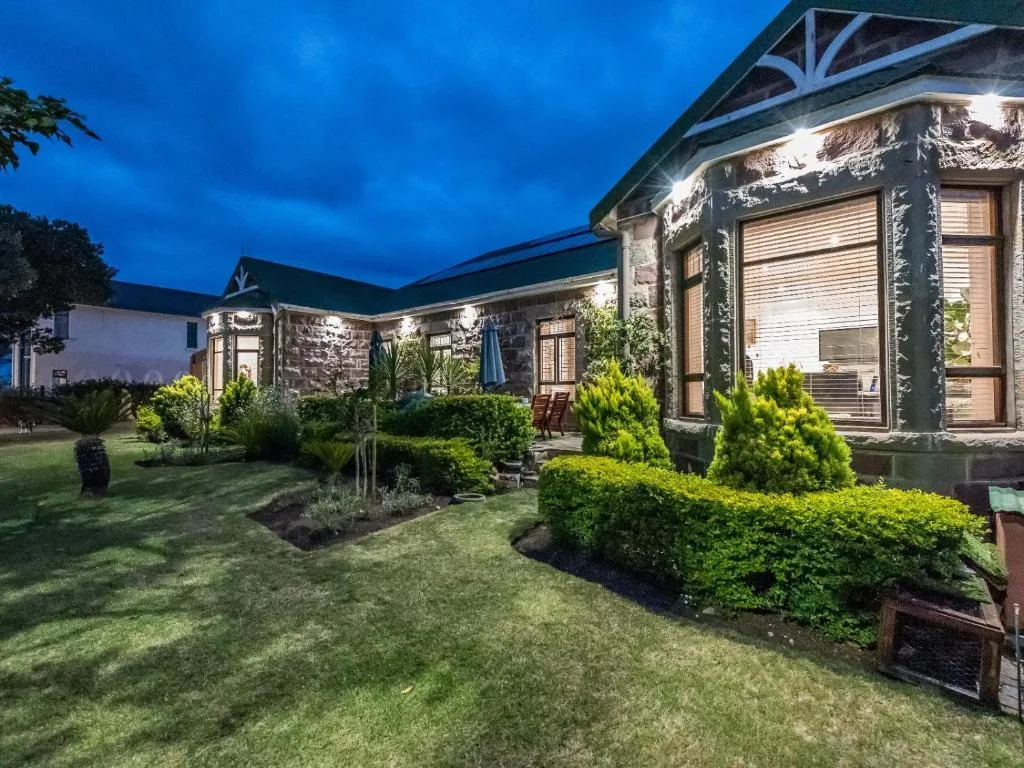
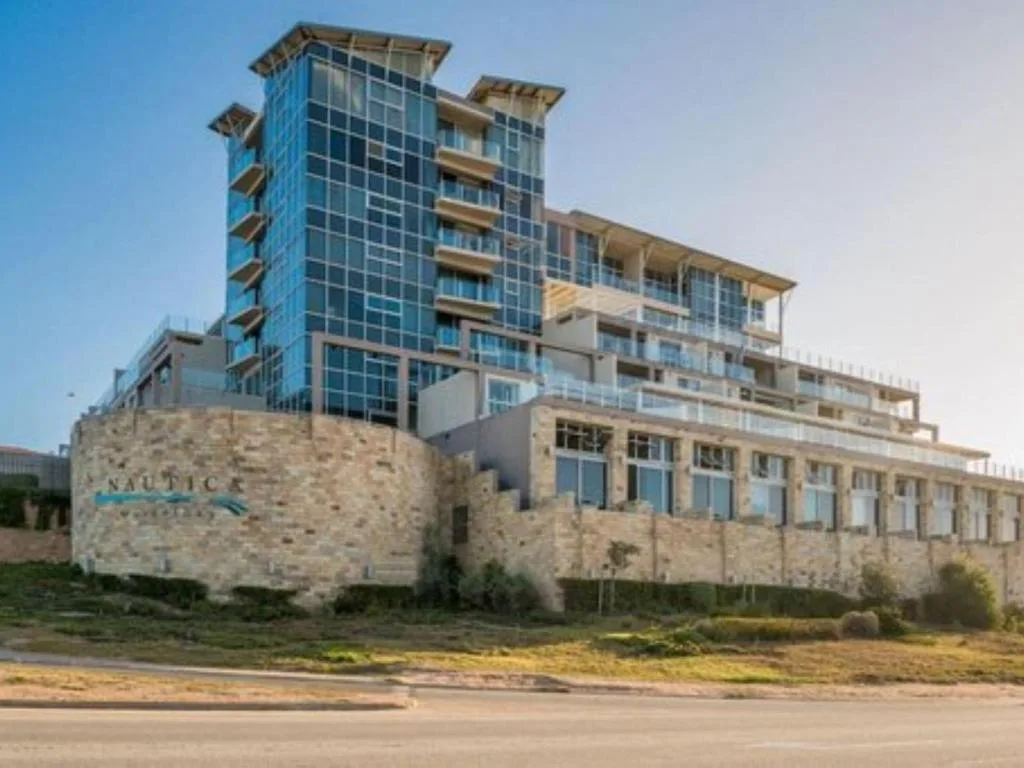
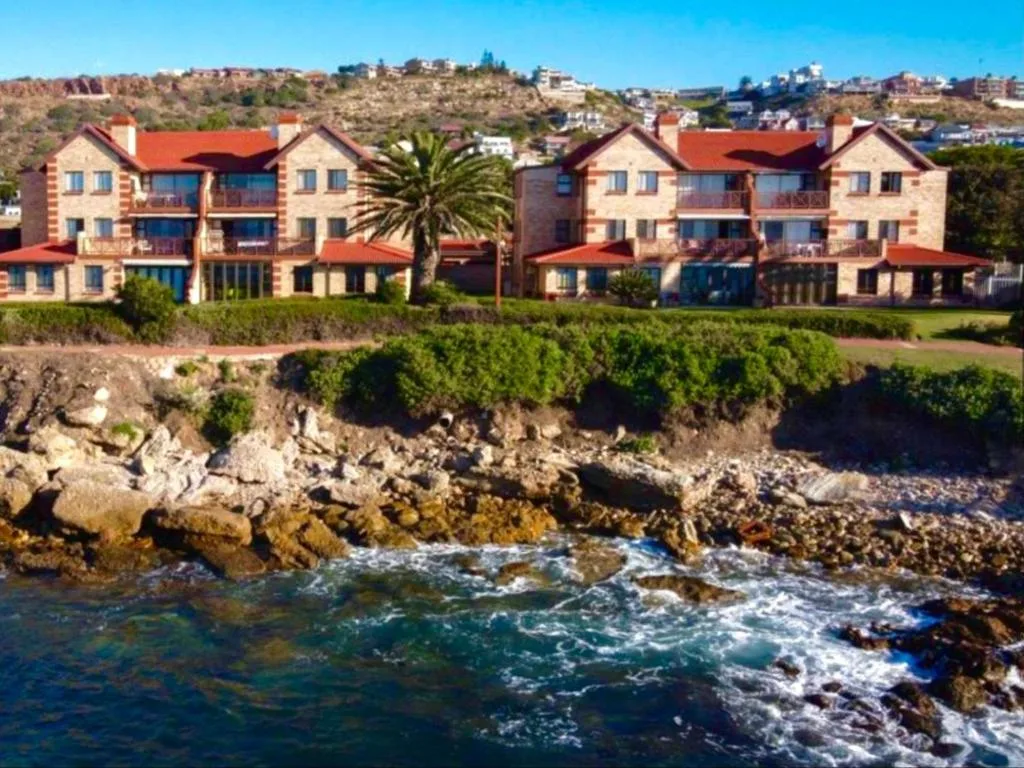
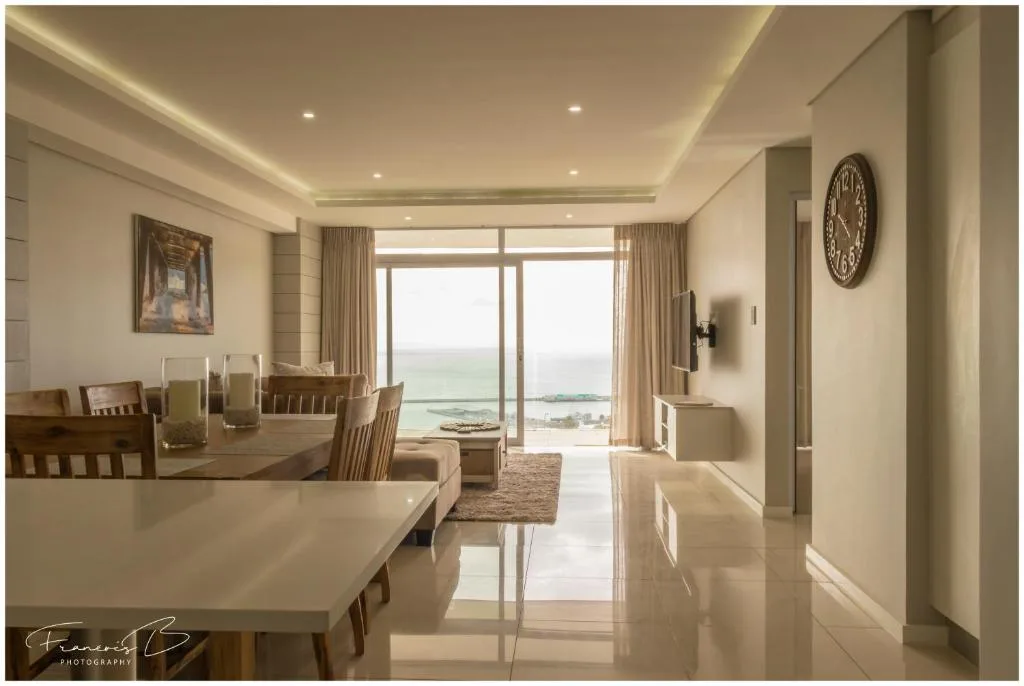
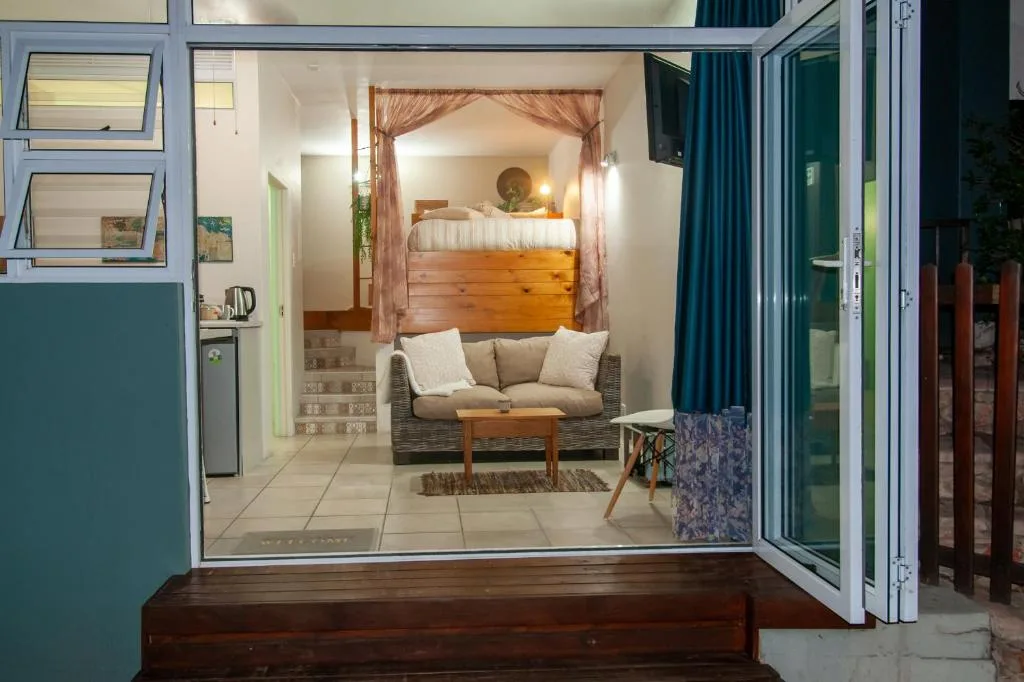
Base yourself close to what you've come for. If it's beaches and the harbour, stay around The Point, Santos or Diaz. If it's the golf and the quieter western end, Mossel Bay Golf Estate and Dana Bay are calmer. Self-catering gives you a kitchen for the fish you'll want to cook and space to spread out between activities.
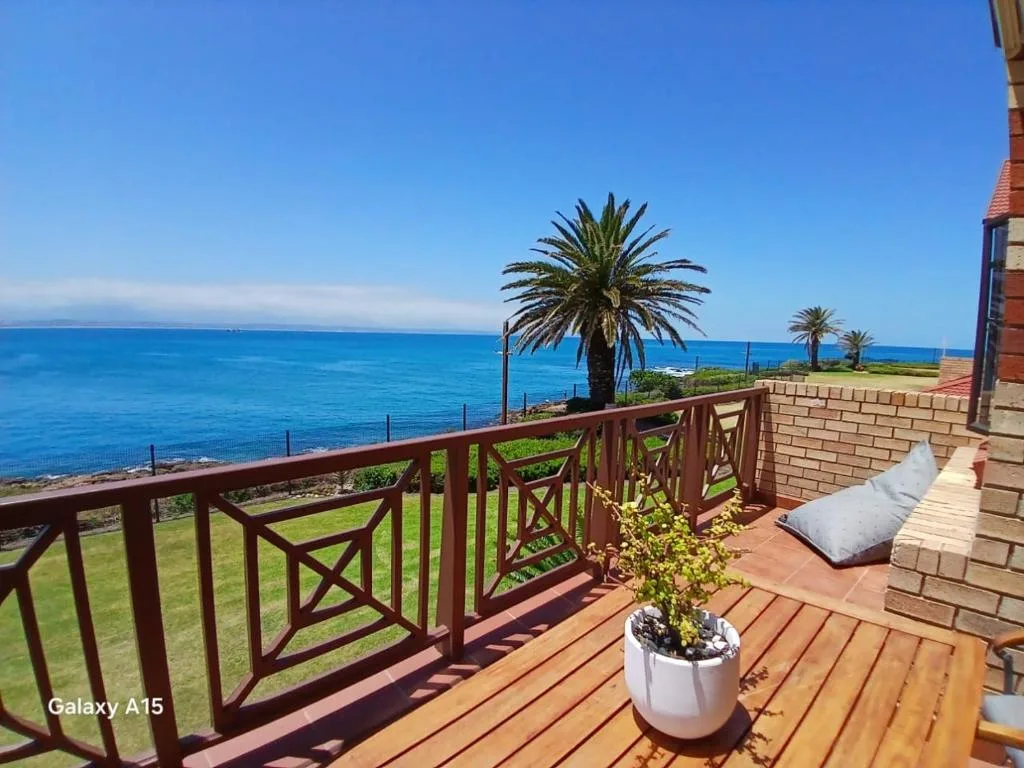
Browse the full range of Mossel Bay self-catering to match a stay to your plans.
Sources
- SA-Venues — Mossel Bay overview
- SA-Venues — Cape St Blaize Lighthouse
- SA-Venues — St Blaize Hiking Trail
- Cradle of Human Culture — Cape St Blaize Cave
- Cradle of Human Culture — Pinnacle Point
- South African Tourism — Santos Beach
- South African Tourism — Gondwana Game Reserve
- Oystercatcher Trail
- Skydive Mossel Bay
- Wikipedia — Mossel Bay
Where Mossel Bay stays sit
Every listing plotted, with attractions dotted around it. Tap a navy pill to see the stays in that cluster.
Frequently asked questions
What is Mossel Bay best known for?
Mossel Bay is best known as the spot where Bartolomeu Dias made the first European landing on South African soil in 1488. Today it's known for the Dias Museum, the Cape St Blaize Lighthouse, year-round shark and whale watching at Seal Island, and Blue Flag beaches.
What kind of activities are in Mossel Bay?
A lot for a small town. Coastal hiking (the St Blaize Trail), boat trips to the Cape fur seal colony, great white shark cage diving, swimming at Santos and Diaz beaches, maritime history at the Dias Museum, skydiving, and Big 5 safaris on nearby malaria-free reserves.
What is there to do in Mossel Bay for free?
Plenty. Walk the clifftop St Blaize Trail, swim at Santos or Diaz Beach, wander the Dias Museum grounds and the Post Office Tree, watch the working harbour, and drive out to the Cape St Blaize Lighthouse point for the view — no ticket needed for any of these.
What to do in Mossel Bay when it rains?
Head indoors to the Bartolomeu Dias Museum Complex — the maritime museum, aquarium and shell museum keep you busy for a couple of hours. The full-size caravel replica is under cover, so a wet day is actually a good day to see it properly.
What to see between Cape Town and Mossel Bay?
The N2 runs past Swellendam's Cape Dutch streetscape, the Breede River valley, and the Tradouw Pass turn-off. Mossel Bay is roughly 400 km east of Cape Town and marks the western gateway to the Garden Route, so it's the natural first overnight stop.