
I've driven the Garden Route — South Africa's signature 300 km coastal road from Mossel Bay to Storms River — more times than I can count, in every season and at every speed. People always ask the same thing: what's the right Garden Route itinerary for 7 days? The short answer is below, day by day. Three days feels rushed, ten lets you slow down, but seven is the length most travellers actually have between flights — and it's the right length for the route.
This is the day-by-day version of the trip — the drives, the overnight towns, the things worth stopping for, the things you can skip. It's a member of our broader Garden Route Travel Guide — read the pillar for the macro picture (when to visit, why it matters, town-by-town character). This post is the boots-on-the-ground execution.
Format note up front — this itinerary assumes you start in George (most travellers fly into GRJ) or end-of-day-1 from Cape Town. We address both. Total driving over the week is comfortable — no day is longer than 50 minutes once you're on the route itself.
At a Glance — The 7-Day Garden Route Drive Matrix
For planners. The whole route is about 220 km of N2, plus your arrival drive.
| Day | From → To | Distance | Drive time |
|---|---|---|---|
| 1 | Cape Town → Mossel Bay | 385 km | 4h 30m |
| 1 (alt) | George airport → Mossel Bay | 50 km | 50 min |
| 2 | Mossel Bay → Wilderness (via Outeniqua Pass) | 75 km | 1h 30m |
| 3 | Wilderness day + Sedgefield trip | 50 km loop | n/a |
| 4 | Wilderness → Knysna | 25 km | 25 min |
| 5 | Knysna → Plettenberg Bay | 32 km | 35 min |
| 6 | Plettenberg Bay (full day) | local | n/a |
| 7 | Plett → Tsitsikamma → onward | 60 km + return | 50 min each way |
If you're flying out of George at the end of day 7, work backwards from a 14:00 GRJ check-in — that means leaving Tsitsikamma by 10:00 with a buffer. If you're driving back to Cape Town, factor a second night in Mossel Bay or break the return at Hermanus.
Day 1 — Garden Route Arrival to Mossel Bay
The route's western bookend. Mossel Bay is where Bartolomeu Dias landed in 1488 — the first European to set foot on what's now South Africa's south coast — and that's still the town's headline. It's a working harbour town with a small-town beach feel. One night is enough.
If you fly into George, collect the rental and head west on the N2; you'll be at your accommodation by mid-afternoon. If you've come up from Cape Town, expect arrival around 16:00 — check in, walk down to the Point for sunset, eat at one of the seafront places along Marsh Street.
The thing to do — even on a half-day — is the Bartolomeu Dias Museum Complex on Market Street. It's an honest hour of maritime history with a life-sized replica of Dias's 15th-century caravel. The grounds double as a pleasant short walk down to the harbour.
Sleep: something self-catering near the Point. The Point peninsula has the best sunsets and walking access to the seafront. We host a handful of properties on Beacon Point and along the coast — see the Mossel Bay overnight pick further down, or browse all our Mossel Bay self-catering inventory.
Day 2 — Mossel Bay to Wilderness via the Outeniqua Pass
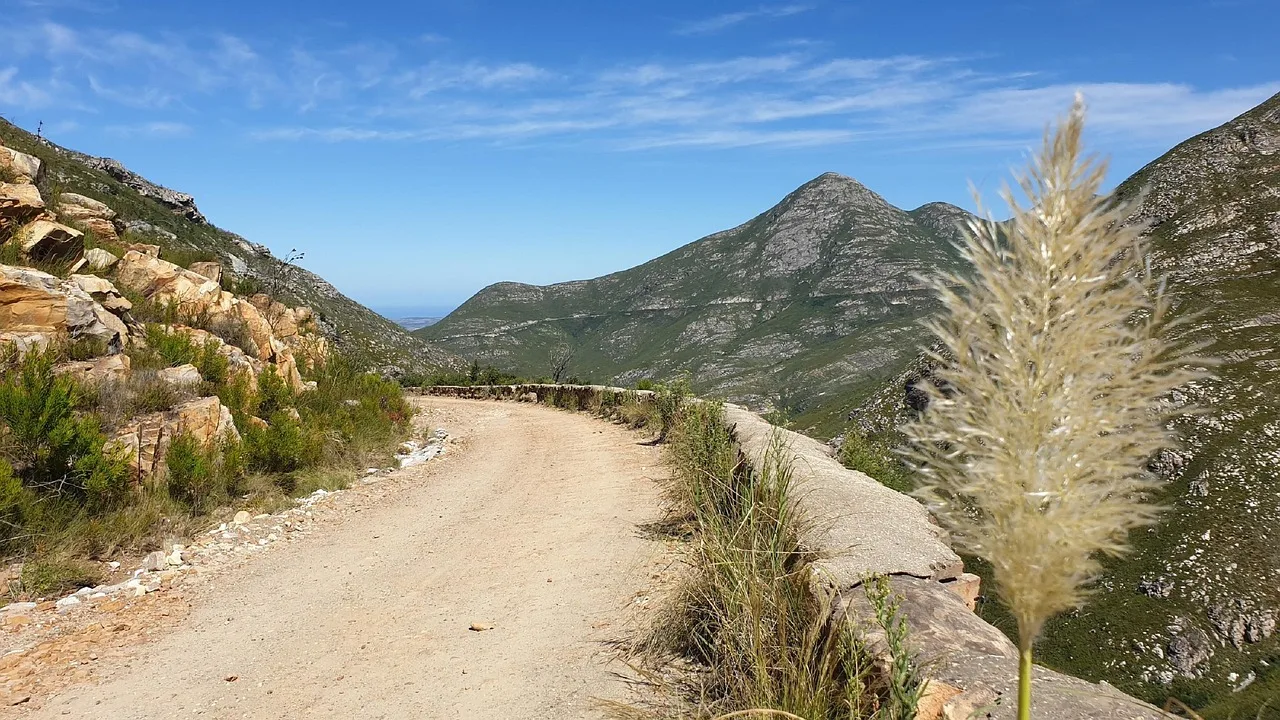
A short, scenic driving day. You've got two routes: the flat N2 along the coast (45 minutes via George), or the inland detour over the Outeniqua Pass — same destination, twice the views. Take the pass.
Drop south on the N2 to George, then turn inland on the N9 Outeniqua Pass. It carries the road through the Outeniqua Mountains north of George, climbing to a summit around 800 metres above sea level. There's a viewpoint at the top with a picnic spot, the city of George laid out below, and on a clear day a strip of Indian Ocean visible past the mountains. Drop back through Saasveld onto the N2 and continue 15 minutes east to Wilderness.
Wilderness itself is the smallest of the route's main bases — but it sits in the prettiest geography. Indian Ocean on one side, the lake system and indigenous forest of the Wilderness section of Garden Route National Park on the other, and the village squeezed between. Half an afternoon is enough to settle in, walk the beach, eat at one of the small spots on George Road.
Day 3 — Wilderness Lakes + Sedgefield Saturday Market
This is the slow day. If your day 3 falls on a Saturday, build it around the Wild Oats Community Farmers' Market in Sedgefield (15 km east). If not, swap for the lakes-and-Map-of-Africa loop.
The Saturday plan: be at Wild Oats by 08:30. The market opens 07:30 and closes at noon — the food vendors sell out by 11:00 in summer. Coffee, croissants, biltong, oysters, breads, ferments, the lot. It's the best single concentration of Garden Route producers anywhere on the route.
The non-Saturday plan: drive the back road from Wilderness towards Hoekwil to the Map of Africa viewpoint — the Kaaimans River bends through the valley below in the unmistakable shape of the African continent. There's a paragliding launch site at the same viewpoint if conditions are flying. Then either picnic at one of the lakes (Island Lake and Rondevlei are the most accessible), or walk the Half Collared Kingfisher Trail, a flat 7 km return walk through riverine forest along the Touw River — start at the Ebb-and-Flow rest camp.
Back to your Wilderness base for sunset on the beach. Second night here.
Day 4 — Wilderness to Knysna
Twenty-five minutes east on the N2. Knysna is the route's busiest town — bigger than the rest, with the country's most photographed lagoon and the biggest restaurant scene between Cape Town and Port Elizabeth.
The afternoon is for the Knysna Heads. Two sandstone cliffs frame the mouth of the lagoon — one of South Africa's most photographed coastal entrances. Drive up to the East Head viewpoint (free parking, the East Head Café is on the same site for coffee or a long lunch with the view). For the deep dive, see our Knysna Heads guide — it covers safety, the Featherbed crossing and what each viewpoint actually looks like.
If you've got energy, book the Featherbed Nature Reserve crossing for the next morning — the private reserve sits on the Western Head and is reachable only by ferry. The four-hour trip includes a 4×4 transfer up the cliff, a guided forest walk down, and lunch back at the boathouse. It's the only way to stand on the Western Head.
Dinner on Thesen Island (34° South, Île de Païn for the bakery) or in town along Main Street. Knysna gets one fewer night than I'd like — but if you're tight on the seven-day budget, you can shift to two nights here and one in Plett. We'd still recommend two in Plett for the Robberg hike.
Day 5 — Knysna to Plettenberg Bay via Robberg
Thirty-five minutes east on the N2 — the shortest hop of the trip. Drop your bags at your Plett accommodation, then drive the 8 km out to Robberg Nature Reserve. CapeNature manages it; the reserve gates open at 07:00 and the day-pass is around R65 per adult.
There are three loop options published by CapeNature. The Gap Circuit (2.1 km) is the easy one — flat, scenic, gets you onto the start of the peninsula. The Witsand Circuit (5.5 km) is the middle option — drops down to the back beach, climbs back up. The full Point Circuit (9.2 km, 4–5 hours) is the headline hike — out along the spine of the peninsula, down onto Witsand beach, around the seal colony at the point, and back up the cliff edge. It's the single best walk on the Garden Route. Take 3 litres of water in summer; the back stretch is exposed and there's no shade. Day-pass fee payable at the gate.
After Robberg, swim and recover at Lookout Beach or Central Beach. Dinner along Main Street. First Plett night.
Day 6 — Full Day in Plett
The route's busiest beach town and the only one you'd voluntarily spend a second night in just to slow down. Two ways to spend the day, depending on the season and your energy.
Whale-season day (June–November): book a boat-based whale-watching trip with a permitted operator. Southern Right whales calve in Plettenberg Bay every year between June and October, with sightings continuing into November. Ocean Safaris is the best-known of the permitted operators — Hopwood Street launch, two-hour close-encounter trip, sometimes also Bryde's whales and humpback dolphins. Morning departures are calmer than afternoons.
Off-season or family day: drive 25 minutes east to the Crags and do the wildlife sanctuary cluster — Birds of Eden is the main draw, the world's largest free-flight aviary at two hectares of mesh dome over indigenous forest. Allow 90 minutes. Monkeyland sits on the same property if you want to make it a half-day. Lunch at Bramon Wine Estate on the way back is the local move — table-grape Sauvignon Blanc, 12-noon tasting, served on the lawn.
For the longer Plett rundown, see our companion piece — the best things to do in Plettenberg Bay covers the rest of the wildlife circuit and the food scene properly.
Sunset at Lookout Beach. Dinner — Lemon Grass Asian Bistro on Main Street is the local pick if you want one good restaurant; The Table on Lookout Lane if you want a long Garden-Route night.
Day 7 — Tsitsikamma, the Garden Route's Eastern Bookend
The eastern bookend. Fifty minutes east of Plett on the N2 sits Tsitsikamma National Park — the coastal forest section of Garden Route National Park, where the route officially ends at Storms River Mouth. Half a day is enough to do the headline walk and the bridge.
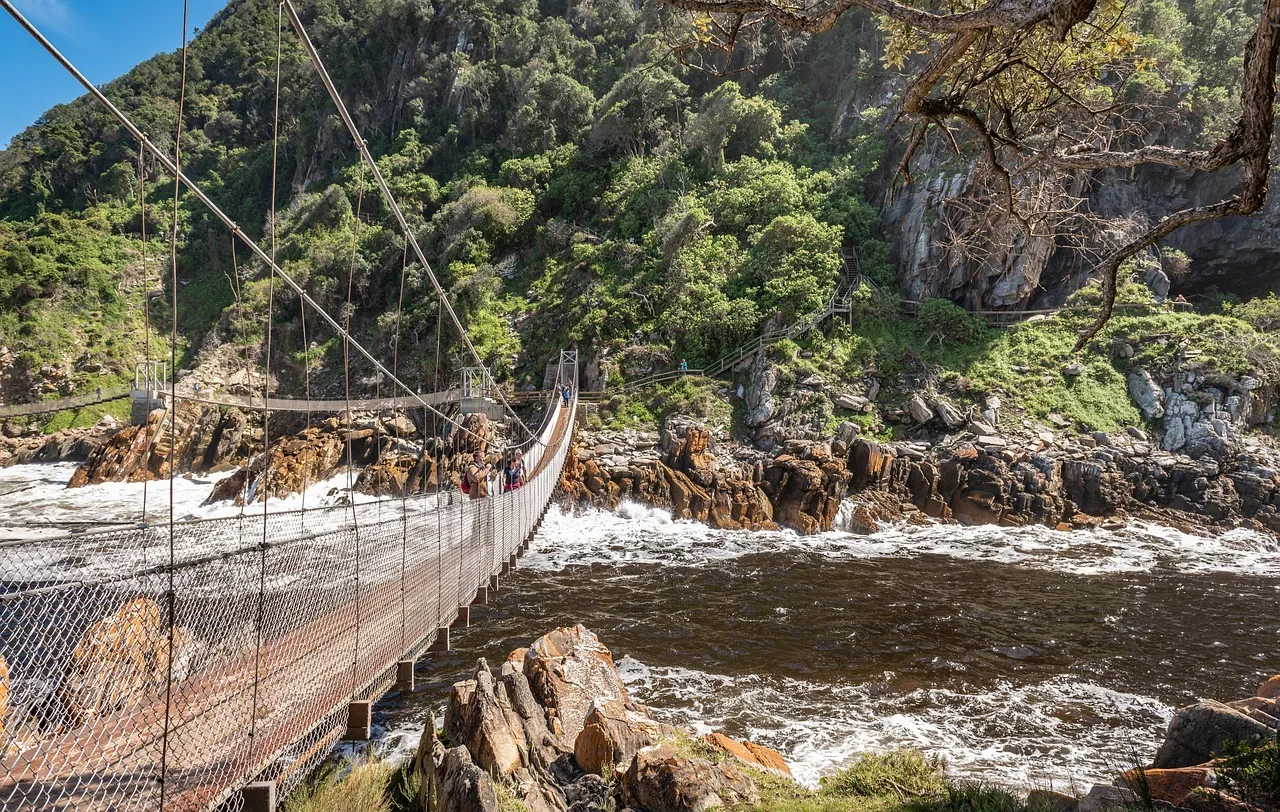
Drive in past the SANParks gate, park at the Storms River Mouth rest camp, and walk the boardwalk to the Suspension Bridge. It's a 1 km flat walk through indigenous forest to the river mouth. The bridge spans 77 metres across the gorge where the Storms River meets the Indian Ocean — the water below alternates between deep red-brown (river tannins) and Atlantic green where the two meet. Cross it; the boardwalk continues briefly on the far side.
On the way back to George airport (or onward to Port Elizabeth), the Bloukrans Bridge sits roughly halfway — a 216-metre arch over the Bloukrans River gorge, and the world's highest commercial bridge bungee jump. Even if you're not jumping, the viewing platform from the operator's deck is worth a 15-minute stop. The jump itself is run by Bloukrans Bungy — 216-metre plunge, year-round, see the operator's site for current pricing.
If you're flying out of George, leave Tsitsikamma by 10:30 to make a 14:00 GRJ check-in with breathing room. If you're heading to Port Elizabeth, you've got another 200 km east on the N2 — about 2 hours.
Where to Stay — Self-Catering Picks for Each Garden Route Stop
We host 600+ self-catering houses and apartments across the six Garden Route towns. For a 7-day itinerary, self-catering wins for groups and families on cost, kitchen and laundry — typically 30–50% cheaper per head than hotels, and you can wash beach kit between towns. Hotels work for solo couples who want breakfast included. The pillar guide carries the full where-to-stay breakdown; this post just lists the overnight pick per town.
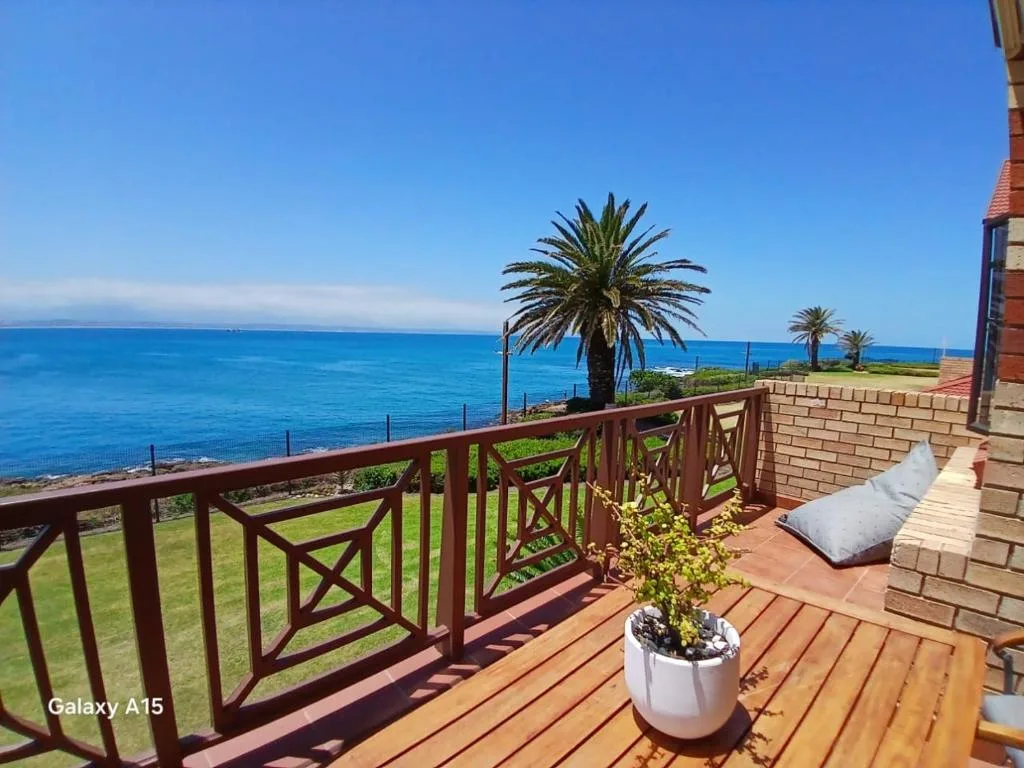
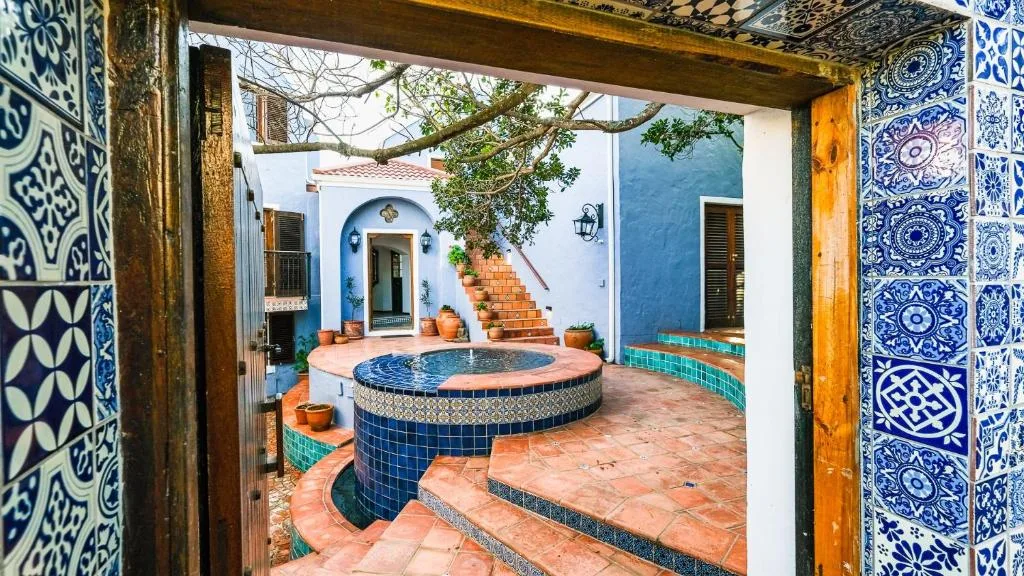
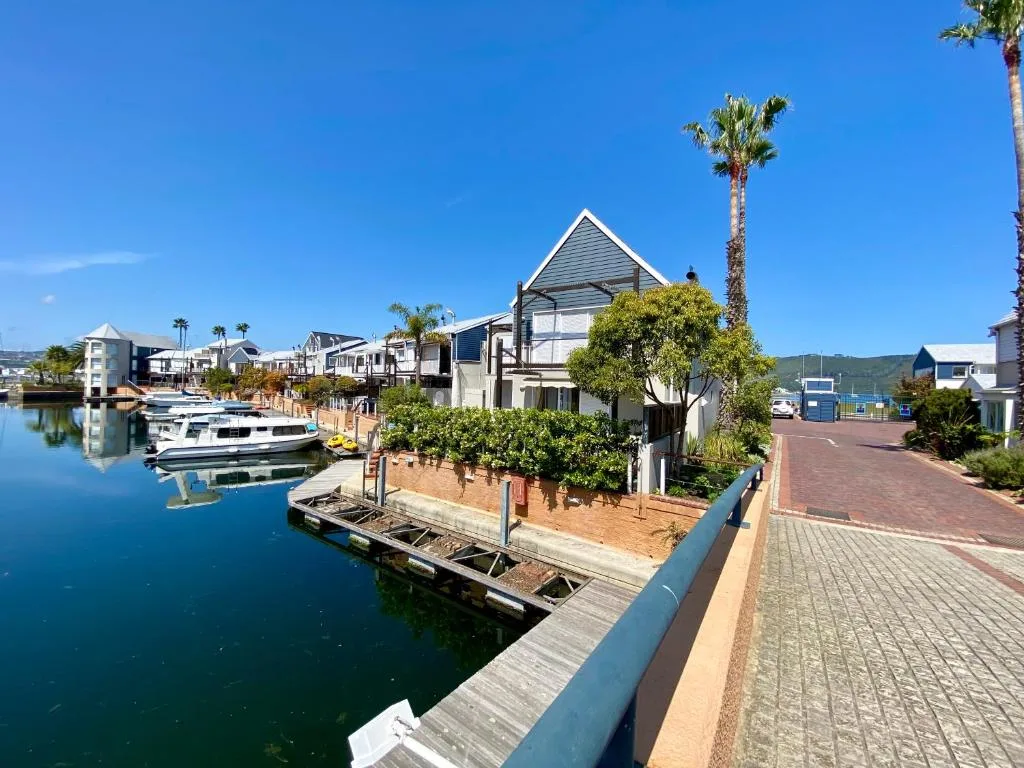
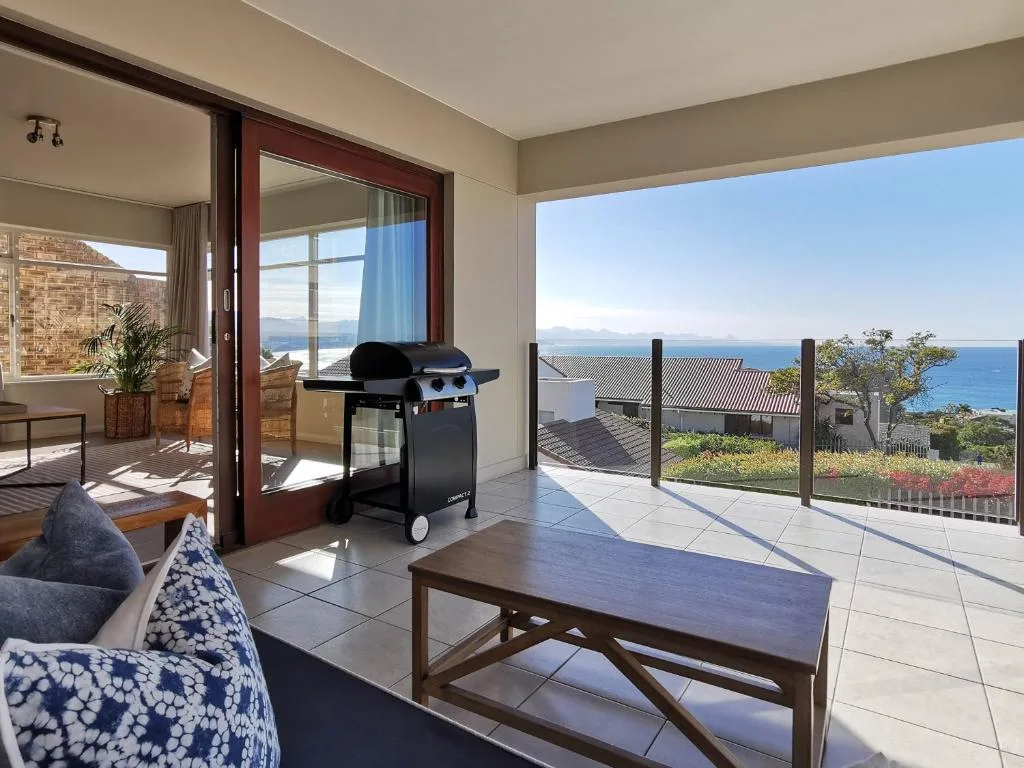
If none fit your dates or party size, browse the full inventory by town from the main navigation.
When to Visit — Best Month for a 7-Day Garden Route Itinerary
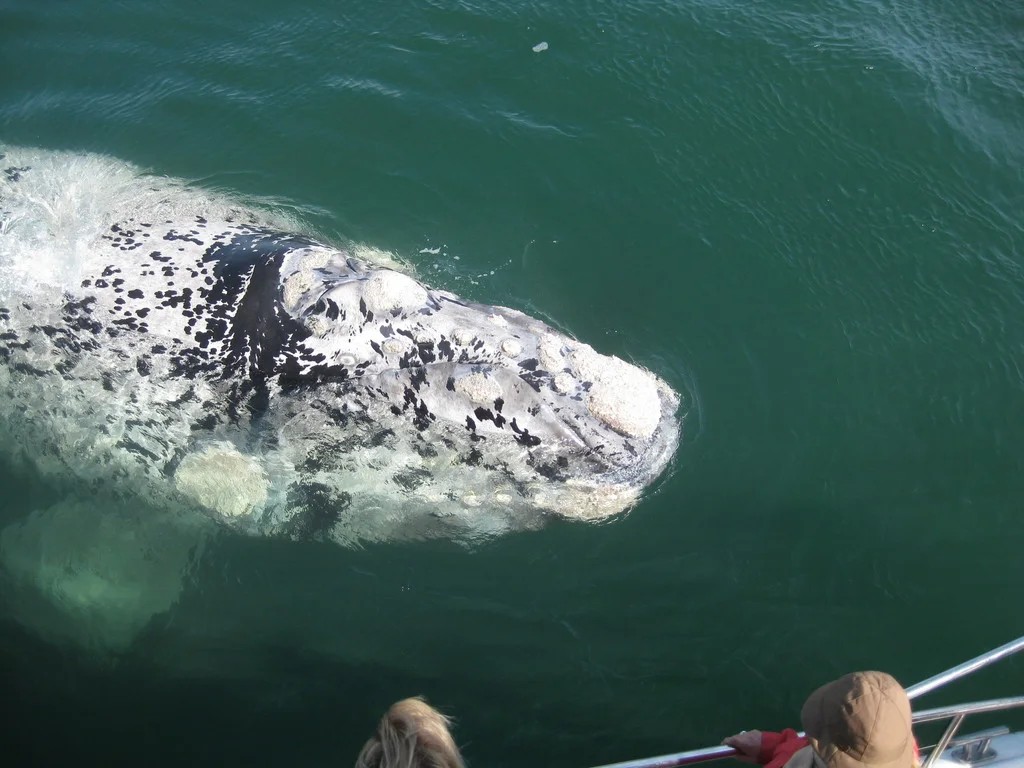
Three things move the needle on Garden Route timing — weather, whales and rates.
- October–November (sweet spot): spring flowers, water warming to 17–19°C, Southern Rights still calving in Plettenberg Bay, rates roughly 30–50% below peak. The wettest day in October still beats the hottest day in February for hiking.
- February–April (warmest sea): the school summer-holiday crowd has gone, sea temperature peaks at 20–22°C, accommodation rates settle. Best for a swim-focused trip.
- June–September (whale-focused): cool, clear, Southern Rights breaching daily in Plett and Knysna bays. Pack layers; mornings are 8–10°C inland. Cheapest of the lot.
- Mid-December to mid-January (avoid): South African school summer holidays. Plett triples in price. Beaches and restaurants are full. Book six months ahead or skip.
The 7-day itinerary above works in any season — just shift the day-6 boat trip with the whale calendar.
Adapting the 7-Day Garden Route Itinerary
A few ways to flex the seven days.
- Cape Town start (no flight): add half a day on day 1 — leave Cape Town at 08:00, arrive Mossel Bay by 13:00, half-day at the Point. Day 7 either drive home (long) or split it with a Hermanus overnight on the way back.
- Port Elizabeth end: end day 7 in PE for an Eastern Cape extension (Addo Elephant Park is 90 minutes north). Drop the rental at PE airport, fly home from there.
- Family with under-10s: swap day 6's Robberg full hike for the Gap Circuit (2.1 km flat), and add Tenikwa Wildlife Centre or Plett Elephant Sanctuary for the second Plett afternoon.
- Hiking-focused: add a third Plett night and walk the Robberg Point Circuit on its own day. The full 9.2 km loop deserves four hours and your own pace.
- Foodie-focused: swap day 3 for two nights in Knysna (oysters at Île de Païn, dinner at 34° South) and one in Plett.
The structure — six nights split 1/2/1/2 across Mossel Bay/Wilderness/Knysna/Plett — is what most travellers find works. Plett gets two because Robberg deserves a clean morning and a separate beach day. Knysna gets two because the Featherbed crossing wants a half-day. Wilderness gets two because the Saturday market and the lakes can't both fit in one day. Mossel Bay gets one because honestly that's enough.
Practical Notes for Driving the Garden Route
- N2 driving — the N2 is in good shape between Mossel Bay and Storms River. There's one toll plaza on the eastern stretch (Tsitsikamma — small fee for cars, payable in cash or card). Daylight driving only is the local rule — wildlife on roads after dusk.
- Petrol — fill up at George or Knysna; Wilderness has one small station. Tsitsikamma's nearest fuel is at the Tsitsikamma village turnoff (Storms River Bridge).
- Card vs cash — card works everywhere. The Wild Oats market vendors mostly take card (or cash for the smaller stalls). ATMs in every town centre.
- Load-shedding — Garden Route towns get rolling power cuts. Most self-catering hosts run inverters or generators; check before booking. Restaurants almost universally have backup.
- Cellular — Vodacom and MTN both work along the N2. Tsitsikamma forest sections drop signal briefly.
Final Word — Is 7 Days Enough?
Seven days is the right length, the route handles itself, and the towns split cleanly into the rhythm above. The two days that matter most for what you'll remember are day 5 (Robberg) and day 7 (Tsitsikamma). Everything else is the journey between.
If you'd rather pick a town and work backwards, the Plettenberg Bay travel guide covers the anchor town in full.
See you on the N2.
Frequently asked questions
Is 7 days enough for the Garden Route?
Yes — seven days is the practical sweet spot. It gives you two nights in Plett, two in Knysna, one in Wilderness and one in Mossel Bay, plus a half-day at Tsitsikamma without rushing. Three days is a tick-box run; ten lets you slow down, but seven is what most travellers actually have.
Where should I stop on the Garden Route in 7 days?
The honest list — Mossel Bay (one night), Wilderness (one night), Knysna (two nights, including a Sedgefield day-trip), Plettenberg Bay (two nights, including Robberg) and Tsitsikamma (half-day on the drive home). George you pass through; it's a useful fuel and supermarket stop more than an overnight.
What not to miss on the Garden Route in 7 days?
Three anchors — the Robberg Peninsula hike at Plett, the Storms River suspension bridge in Tsitsikamma, and a sunset at the Knysna Heads. Together they cover the cliffs, the forest and the lagoon. Add a whale-watching boat in season (June to November) and you've got the full coast.
Which month is best for a 7-day Garden Route itinerary?
October is the sweet spot — water is warming, Southern Right whales are still calving in the bays, the spring flowers are out, and rates sit roughly 30–50% below peak. February to April is the close runner-up with the warmest sea. Avoid mid-December to mid-January unless you've booked six months ahead.
How much driving is in a 7-day Garden Route itinerary?
Roughly 220 km from Mossel Bay to Storms River end-to-end — but spread over seven days, the longest single leg is the Cape Town to Mossel Bay arrival (about 4h30). Once on the route, no day's drive is more than 50 minutes. The N2 is in good shape between the towns, and the scenic Outeniqua Pass adds character on day 2.