
I drove the Garden Route, South Africa's signature 300 km coastal road from Mossel Bay to Storms River, again last month — the long way, with the kind of stops that turn a 220 km drive into a week. This guide is the honest version of that trip. The bits the tourism brochures skip, the towns that surprise people, the months that quietly outperform peak season, and where to stay if you're a family or a couple-group rather than a hotel-of-one. We host 600+ self-catering properties across all six towns, so the where-to-stay section is the one I've spent the most time getting right.
If you only read three sections, make it "When to visit" (the month matters more than the itinerary), "How long do you need?" (most people undercook this) and "Where to stay" (where Garden Route Stays earns its keep).
Where is the Garden Route, South Africa?
The Garden Route is a roughly 300 km stretch of South Africa's southern coast running from Mossel Bay in the west to the Storms River mouth in the east, straddling the Western Cape and Eastern Cape provinces. It's officially recognised as a region by the Garden Route District Municipality and sits between the Outeniqua and Tsitsikamma mountain ranges and the Indian Ocean — a long ribbon of indigenous forest, lagoons, lakes and beaches that earned the "Garden" name in the 1920s.
Most visitors enter via Cape Town (430 km west) or fly into George Airport and pick up a hire car. The N2 highway runs the length of the route — it's the spine of the trip.
Drive times and distances between the major points (non-stop, no traffic):
| From | To | Distance | Drive time |
|---|---|---|---|
| Mossel Bay | George | 50 km | 40 min |
| George | Wilderness | 16 km | 15 min |
| Wilderness | Sedgefield | 26 km | 25 min |
| Sedgefield | Knysna | 26 km | 25 min |
| Knysna | Plettenberg Bay | 32 km | 30 min |
| Plettenberg Bay | Tsitsikamma (Storms River) | 70 km | 50 min |
| Mossel Bay → Storms River (full route) | 220 km | 2 hr 30 min |
You can drive the whole thing in a morning. Almost nobody does. The point of the Garden Route is to stop — for a Robberg hike, a lagoon kayak, a Knysna oyster, a Tsitsikamma suspension bridge, a long Wilderness beach.
For the full town-by-town geography breakdown, see Where Does the Garden Route Start and End?.
The six towns at a glance
The Garden Route has six towns most travellers cycle through. They're not interchangeable — each does something specific better than the others, and the order you stack them changes the trip.
Mossel Bay — gateway, history, surf
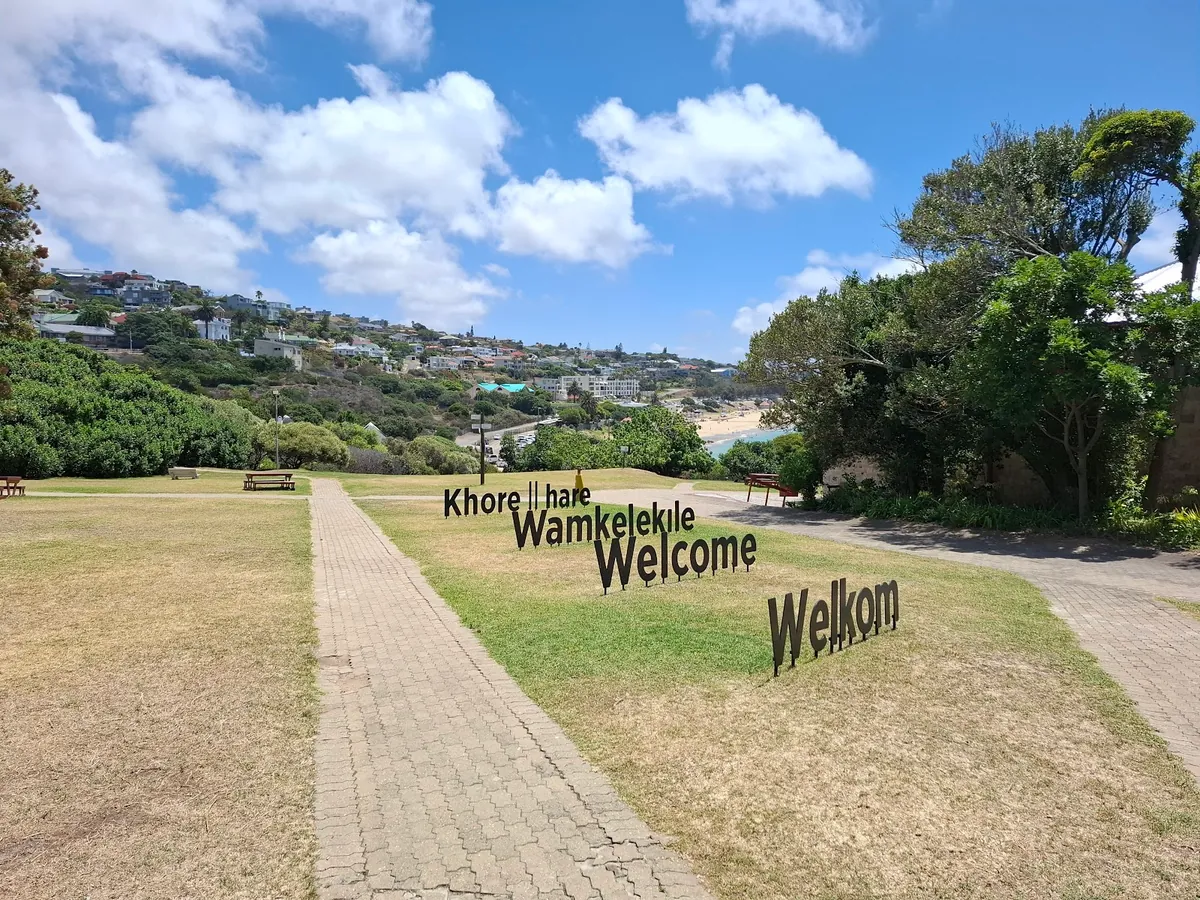
Mossel Bay sits at the western end of the route, 380 km from Cape Town on the N2. It's where most road trips start and where Bartolomeu Dias first landed in 1488 — the Mossel Bay Municipality site has the official version. The Point is a working harbour with an old lighthouse, a year-round NSRI base, and Santos Beach is one of the few north-facing beaches on this coast — sheltered from the southeaster, swimmable into late autumn. The town centre is unpretentious, the Dias Museum is genuinely good, and the Cape St Blaize lighthouse walk is a quick hour with the best views in town.
Stay here if you want a calm, sheltered, affordable base at the start of the route.
George — commercial hub, mountains, airport
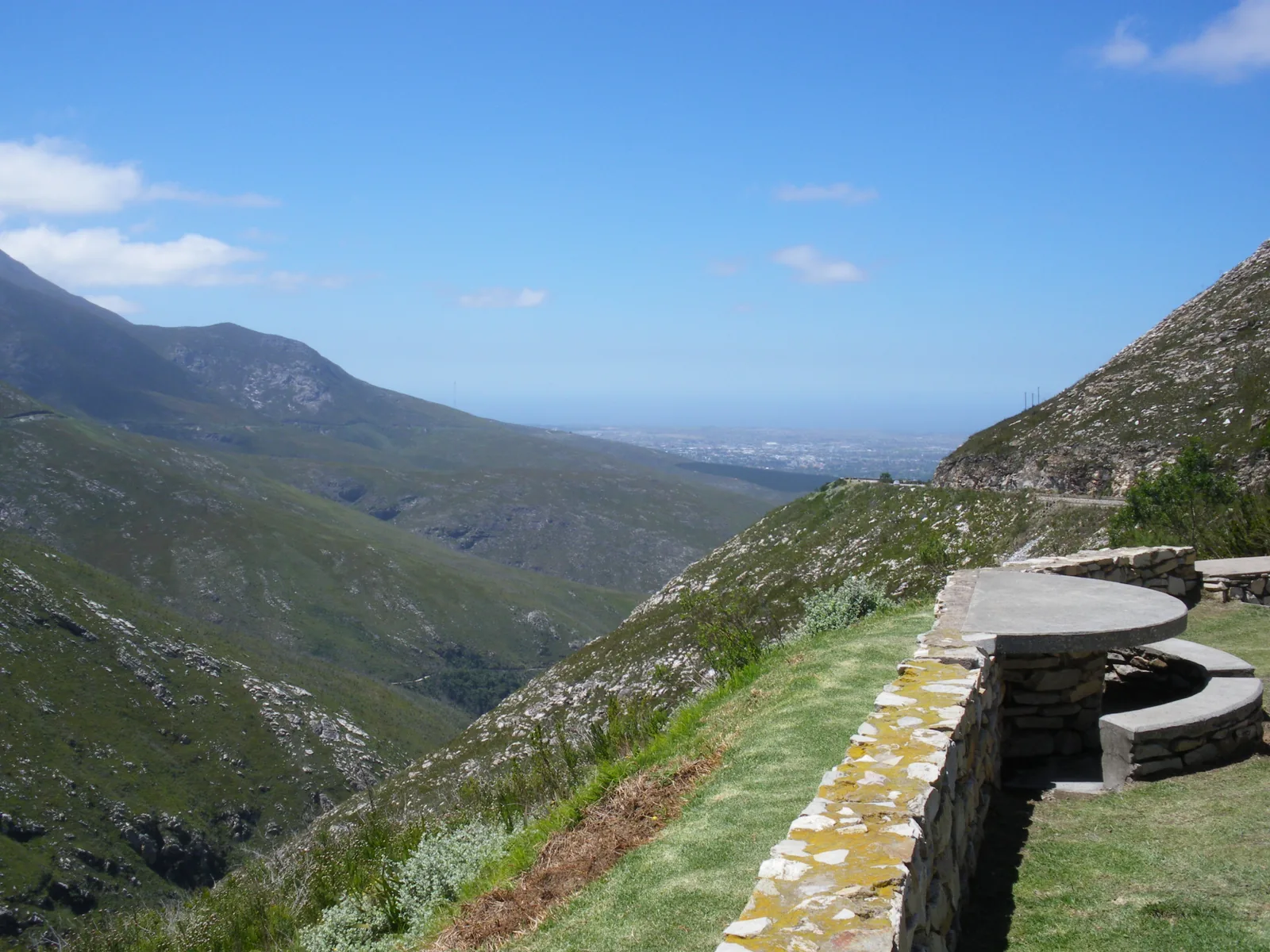
George is the largest town on the route and the only one with a commercial airport — GRJ runs around six daily flights from Johannesburg and three from Cape Town. It's a working town, not a beach town: ten kilometres inland, tucked under the Outeniqua mountains, with the Garden Route Mall, the regional hospital and most of the route's business infrastructure. Most visitors land here, hire a car and drive elsewhere — but stay a night and you'll find Fancourt's three golf courses, the steam train at the Outeniqua Transport Museum, and the easy Outeniqua Pass drive over the mountains to the Klein Karoo and Oudtshoorn.
Stay here if you're flying in, golfing, or want a mountain-side base instead of a beach-town one.
Wilderness — lakes, lagoon, kingfishers
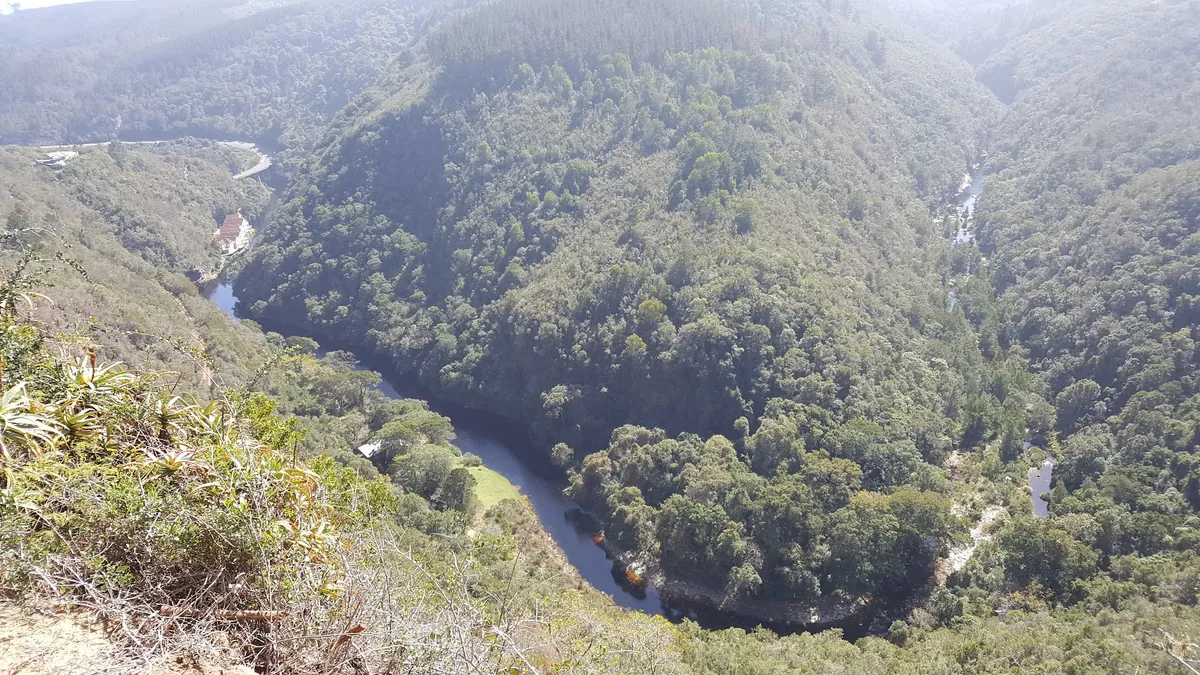
Wilderness is what people picture when they hear "Garden Route" — a long sweep of beach backed by a chain of five freshwater lakes, the Touw River winding through indigenous forest, and the Wilderness National Park cradling the whole thing. The Map of Africa viewpoint is the postcard shot. The town itself is tiny — one main road, a handful of cafes — and the beach is mostly empty even in peak season. The Half-Collared Kingfisher trail is the easiest signature walk on the route. If Plett feels too built up for you, this is your town.
Stay here if you want the route at its slowest pace — beach, forest, lake, repeat.
Sedgefield — Cittaslow, oysters, weekend market
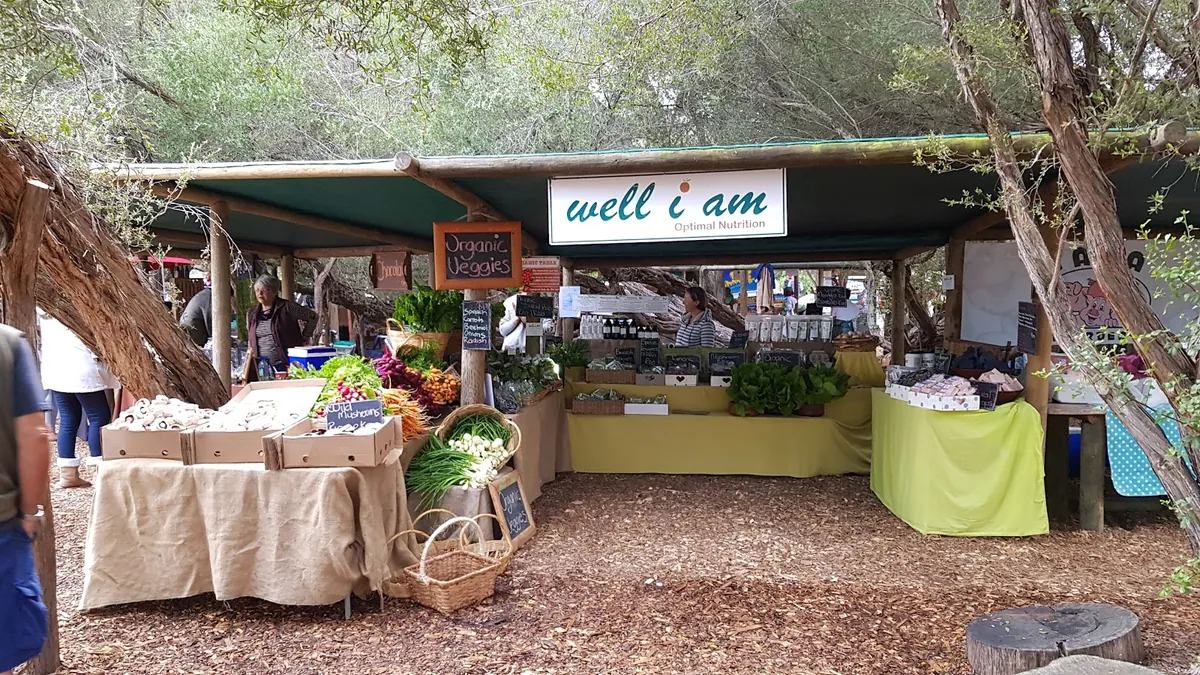
Sedgefield is the smallest of the six and the only South African town to be designated a Cittaslow "slow town". It sits between two estuaries, has the Wild Oats Community Farmers Market every Saturday morning (the best Saturday breakfast on the route — get there before 9 am), Myoli Beach for safe family swimming, and Mosaic Farm Stall on the way out. There's no real town centre, no nightlife, and that's the point. Sedgefield is where I send people who've done the Garden Route before and want to slow down.
Stay here if you've already seen the busy towns and want quiet.
Knysna — lagoon, Heads, oysters
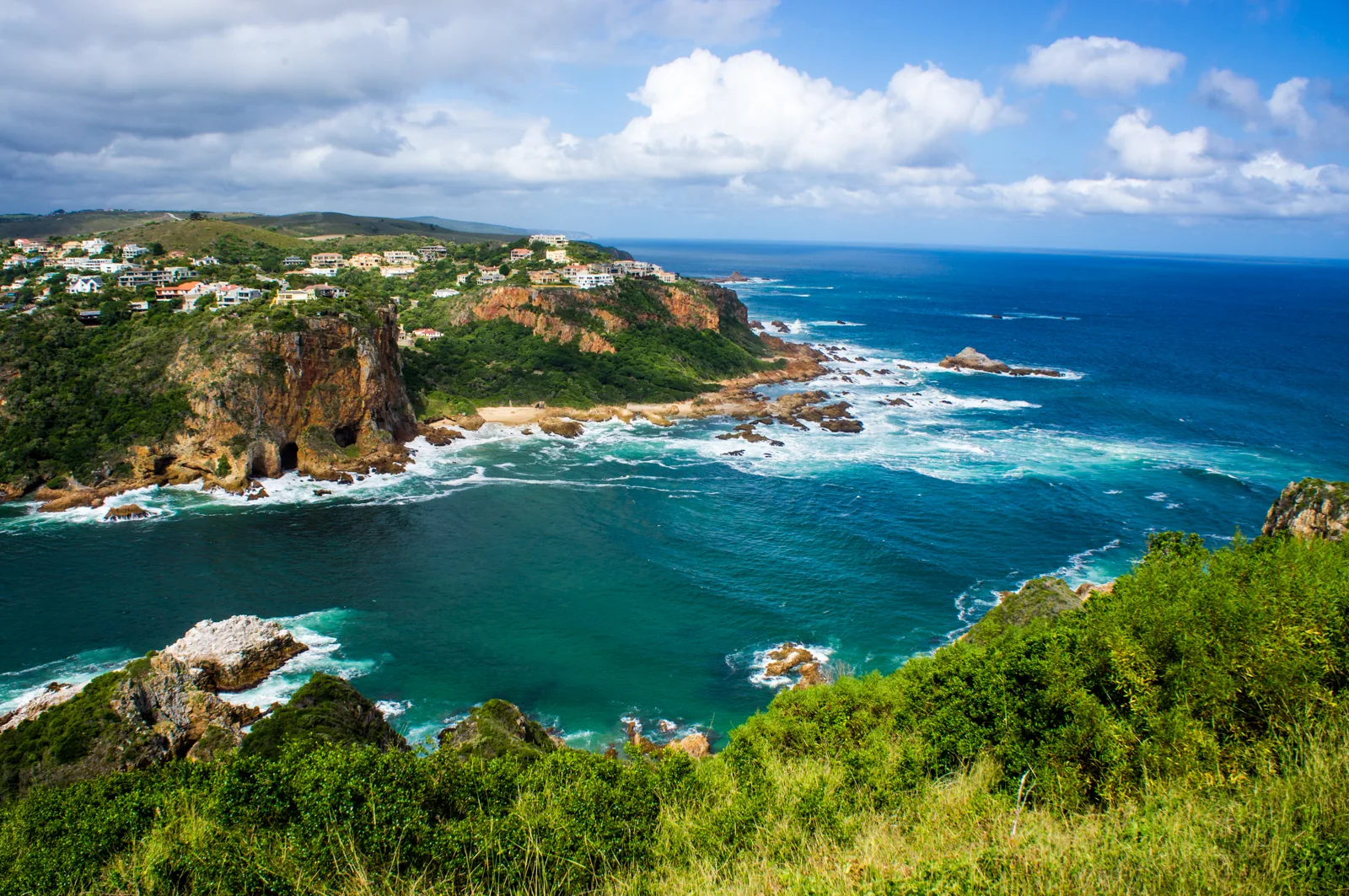
Knysna is the capital of the route — the busiest, the most photographed, the most restaurant-rich. It's built around a 21 km² tidal lagoon that opens to the sea through the Knysna Heads — two sandstone cliffs that frame one of the most dramatic coastal entrances in the country. Thesen Islands and Leisure Isle are the two estuary suburbs to look for. The Knysna Oyster Festival in July is a serious week. Featherbed Nature Reserve and the East Head Café are obligatory. For the deep dive on the Heads themselves, see the dedicated Knysna Heads guide.
Stay here if you want lagoon views, the busiest restaurant scene, and a town with a proper centre.
Plettenberg Bay — beaches, whales, Robberg
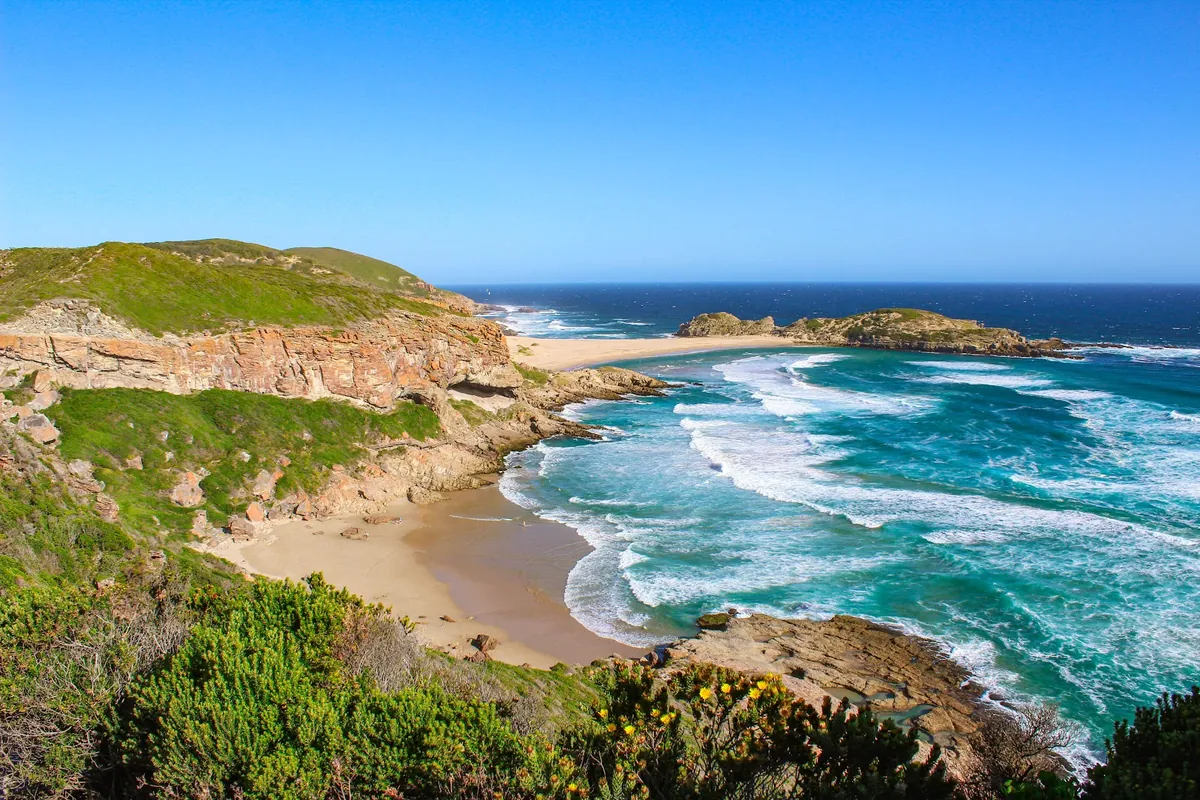
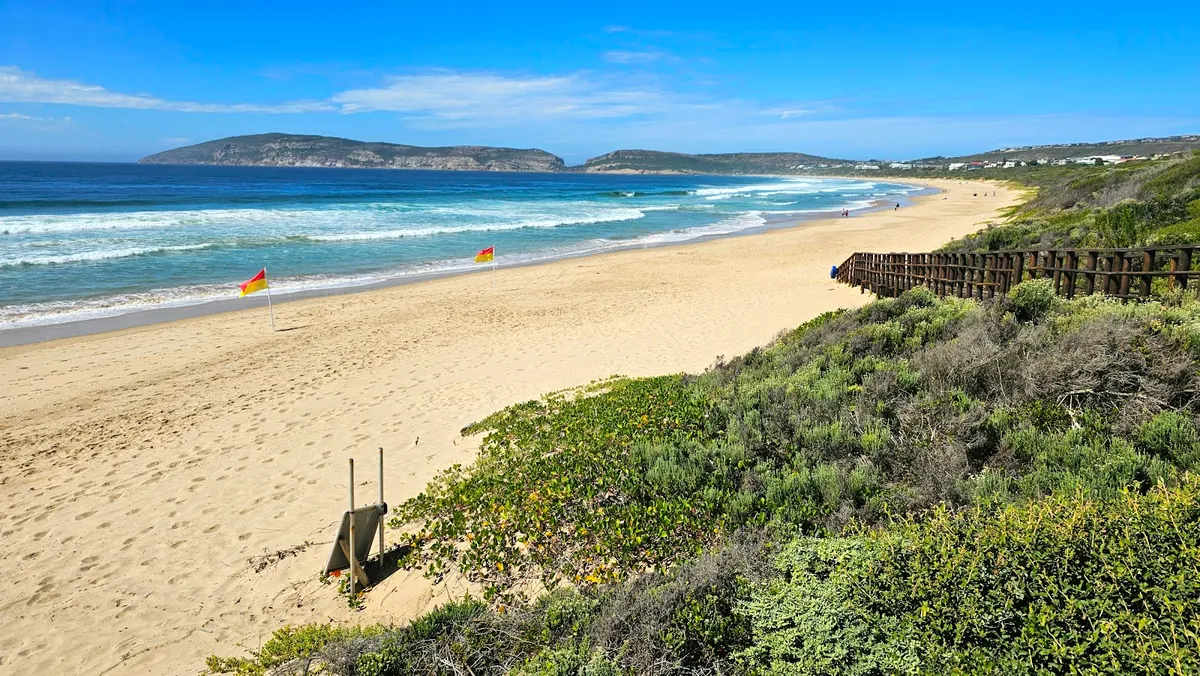
Plett is the beach town. Six Blue Flag beaches in the 2025/26 season, the Robberg Peninsula reserve at the south-western end of the bay, Southern Right whales calving from June to November close enough to the headland to watch from a clifftop. Tsitsikamma is 50 minutes east, Bramon and Newstead wines are 20 minutes inland, and Nature's Valley sits over the Bloukrans Pass on the Garden Route National Park's eastern boundary. Plett is where most coastal-holiday traditions in this part of SA start and end. For the full Plett deep-dive — beaches ranked, neighbourhoods, when to go — see the Plettenberg Bay travel guide.
Stay here if you want the best beaches and the most active whale season on the route.
When to visit the Garden Route
The short version: late February to April, and September to November. Warm enough to swim, quiet enough to walk into a restaurant on a Wednesday night, 30–50% cheaper than peak, and the shoulders of whale season are baked in. The longer version is worth reading because the Garden Route's seasons don't behave like the rest of South Africa's.
Summer peak — mid-December to mid-January
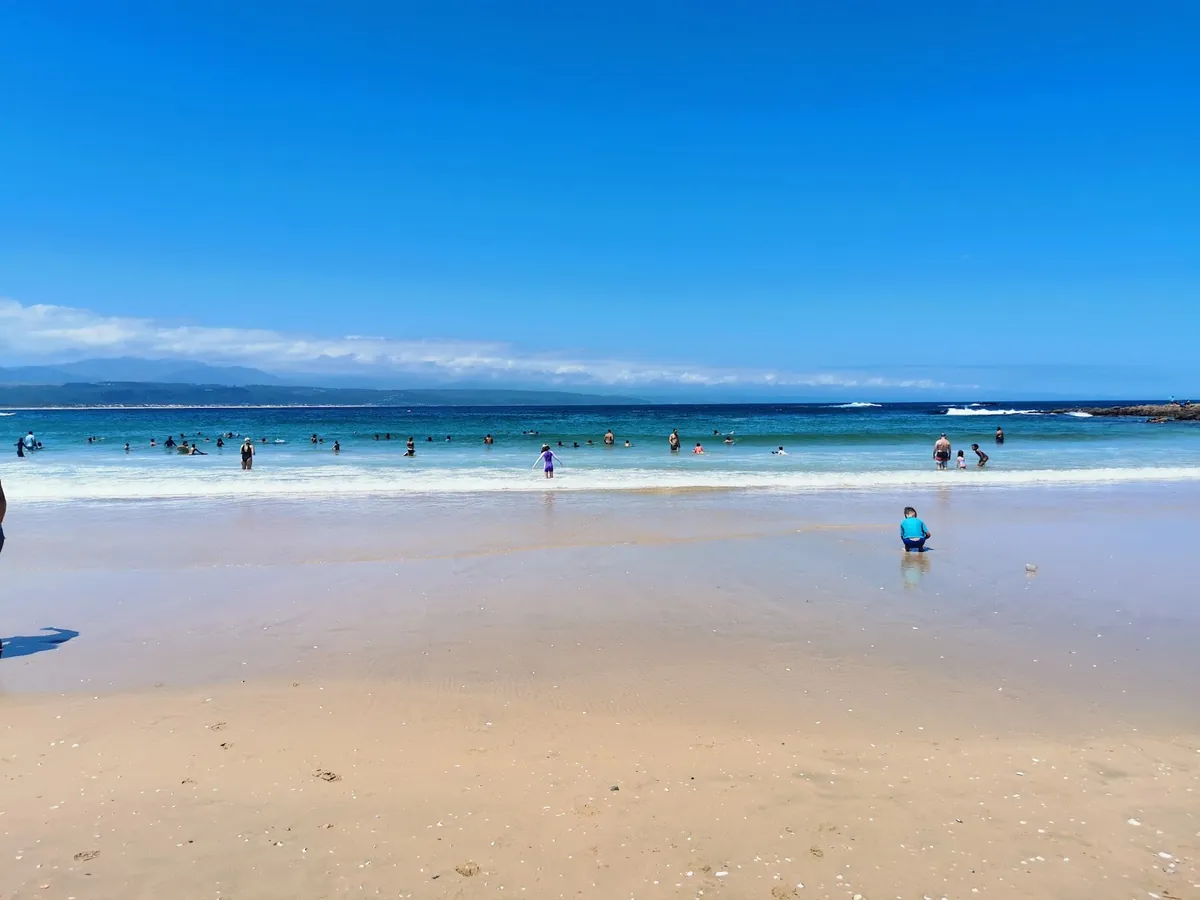
This is when half of Johannesburg arrives. Water at 20–22°C, every beach packed by 10 am, restaurant bookings essential a week ahead, and accommodation rates double or triple. If you book six months out and want a beach holiday with a crowd, it works. If you can be flexible, skip it.
Shoulder — late February to April, September to November
The locals' window. Days warm, sea swimmable, beaches thin, restaurants relaxed. September and October overlap calving season for Southern Right whales — they sit close to shore in Plett's bay for weeks at a time. October's the month I'd pick if I had to pick one. The southeaster is less aggressive than mid-summer, and afternoon light through October is the cleanest of the year.
Winter — June to August
Cold to swim in (water drops to ~16°C), but the clearest land-based whale watching of the year. Mornings clear and crisp, afternoons short, restaurants half-empty. June rates are often the cheapest of the year. If your trip is built around hiking, eating and watching whales rather than swimming, winter is the under-rated pick.
Easter and July school holidays
Variable. SA public schools break mid-April and again early-July — both windows fill up fast. Book three months ahead or move your dates a week either side.
For the full seasonal calendar — month-by-month with whale species, festivals and rate brackets — see Best Time to Visit the Garden Route (coming soon).
How to get to the Garden Route
There are two ways onto the Garden Route — fly in via George, or drive the N2 from Cape Town or Gqeberha. Most visitors do a combination: fly into one end, drive the route, fly out of the other.
Flying
George Airport (GRJ) is the only commercial airport on the route. Around six daily flights from Johannesburg (OR Tambo) and three from Cape Town, plus seasonal Durban routes — operated mainly by Airlink, FlySafair and CemAir. Flight time is roughly 2 hours from Joburg, 1 hour from Cape Town. The airport itself is small, hire-car desks are on arrivals, and you can be on the N2 within 15 minutes of landing. Plett also has a small airfield (FAPG) used for charters and the occasional scheduled CemAir hop, but most international visitors connect via Joburg or Cape Town first.
Self-driving the N2
This is the way most South Africans do it. The SANRAL-managed N2 runs the full Garden Route — from Cape Town, you'll be in Mossel Bay in about 4 hours (390 km) with a Swellendam coffee stop. From Gqeberha (Port Elizabeth), Storms River is roughly 2 hours away and Plett is around 2 hours 30 minutes.
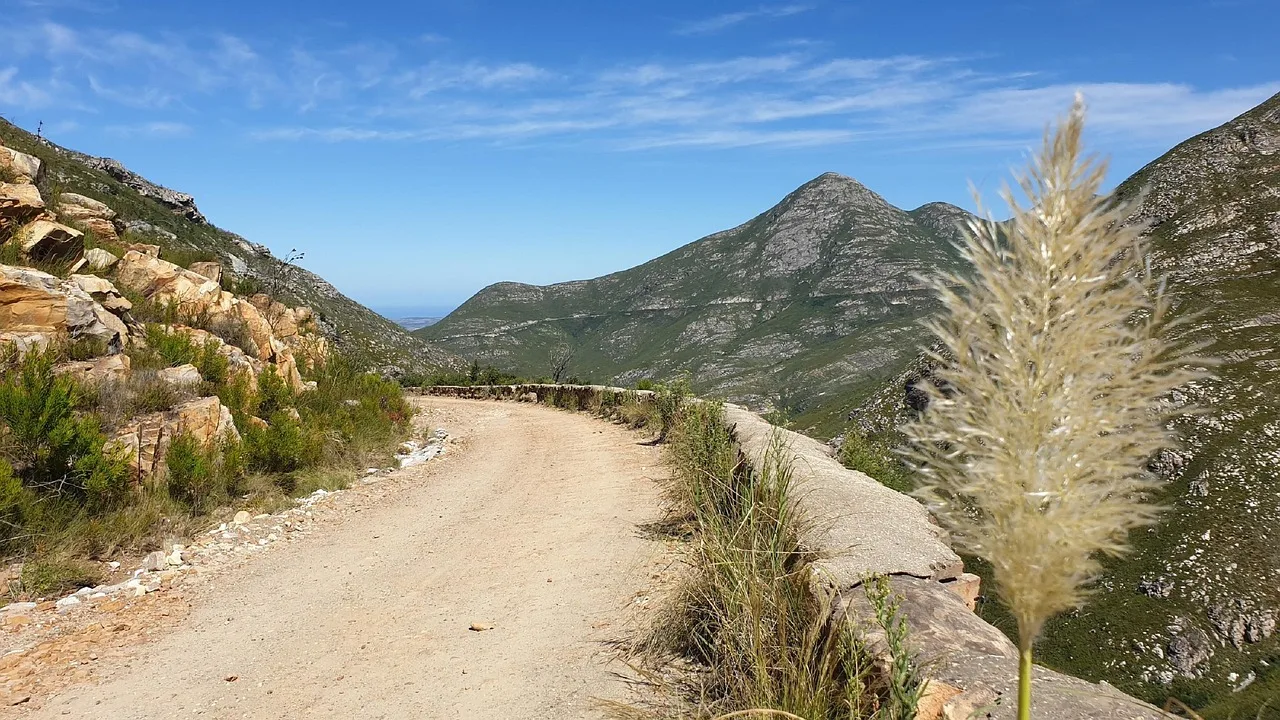
A common road-trip plan: fly into Cape Town, spend three nights, hire a car, drive the N2 east, drop the car in Gqeberha, fly out. The hire-car drop-off fee for a different city is usually around R1,500 — worth it. The N2 east of Plett includes the Tsitsikamma toll plaza (about R73 for a passenger car) and the Bloukrans Pass — a serious mountain road in fog or rain.
For the deep-dive on driving the Garden Route — the town-by-town distances, tolls, car hire and scenic passes — we've got a full guide to the N2.
Top things to do — by category
The Garden Route punches well above its weight on things to do — you can fill 10 days without repeating yourself. The categories below are the four buckets most trips fall into. For Plett's slice specifically, the Plettenberg Bay things-to-do guide ranks every beach, walk and activity in the bay.
Nature and wildlife
The signature is Tsitsikamma — the eastern section of Garden Route National Park where the Storms River meets the sea through a gorge crossed by a 77-metre suspension bridge. Robberg Nature Reserve in Plett is the best half-day hike on the route. The Wilderness lakes section of the National Park is kingfisher country — kayak the Touw River and you'll see Half-Collared, Pied and Giant Kingfishers in the same morning. Knysna Forest's Big Tree (a ~600-year-old yellowwood) is a 15-minute roadside walk most people drive past.
Adventure
Bloukrans Bridge, 40 km east of Plett on the N2, holds the world record for the highest commercial bridge bungee at 216 metres — it's the kind of thing you do once and dine out on for a decade. Kayaking the Knysna Lagoon at sunrise (Featherbed launches from Thesen Islands) is the calmer alternative. Paragliding off the Map of Africa viewpoint at Wilderness is a 15-minute tandem flight that lands on the beach. Stand-up paddleboarding the Touw or Goukamma rivers is the easy entry-level option.
Wildlife sanctuaries
Plett has a cluster of four within 15 minutes of each other — Birds of Eden (the world's largest free-flight aviary), Monkeyland (free-roaming primates), Tenikwa (rehabilitation centre for cheetahs and servals) and Jukani (big cats and wild dogs). It's the easiest morning of wildlife on the route. Buy the combination ticket — you'll save about a third on individual entries.
Food, wine and oysters
Knysna oysters — both the wild Cape rock oyster and the cultivated lagoon oyster — at the East Head Café or 34° South are the route's signature plate. Plett has a small but serious wine route — Bramon (the first wine estate this far east of the Western Cape, and a producer of Méthode Cap Classique) and Newstead are the two everyone visits. Sedgefield's Saturday Wild Oats Market is breakfast-of-the-route. George does a quiet farm-to-table scene built around the Outeniqua dairy belt.
Where to stay — why self-catering wins on the Garden Route
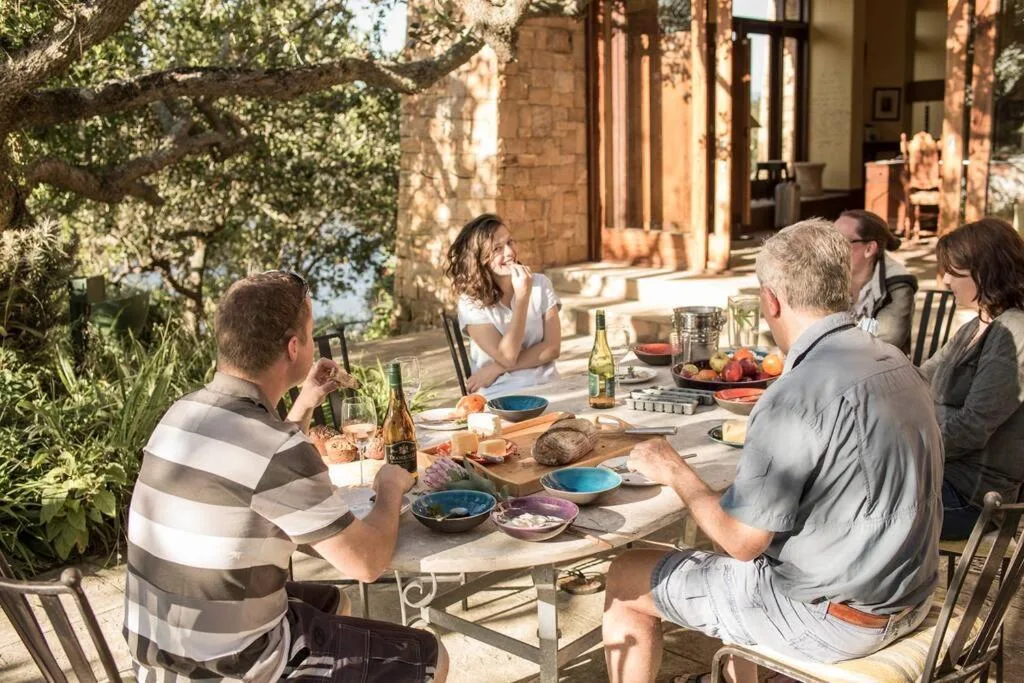
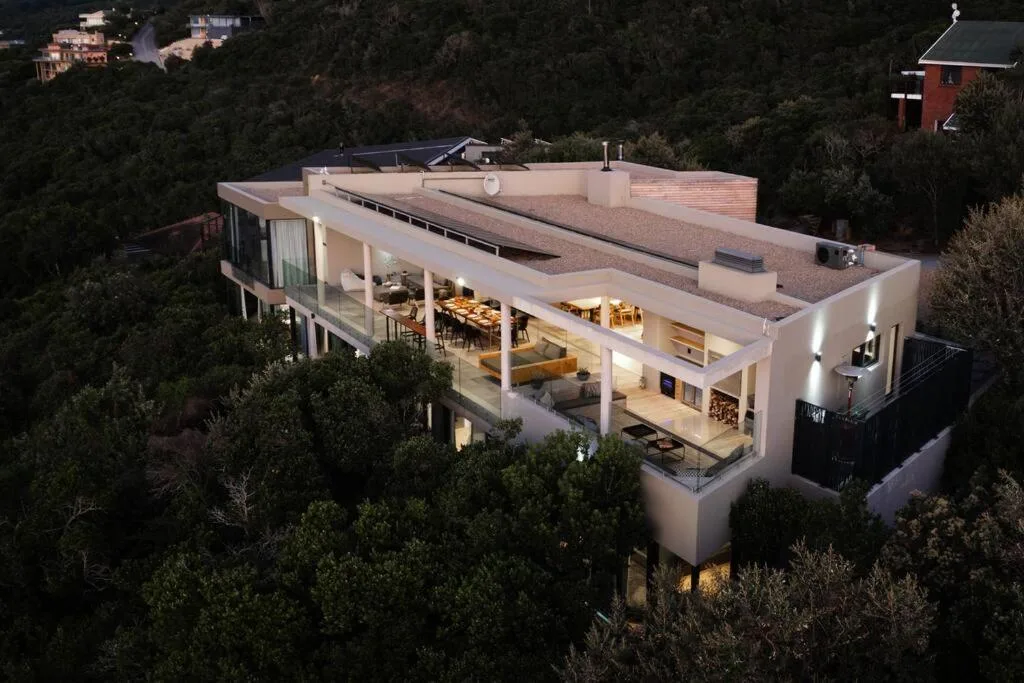
The Garden Route is built for self-catering. Most visitors come as families or couple-groups for 5–7 nights — the kind of trip where a hotel room feels small by night three and the bar bill quietly outpaces the room rate. Self-catering houses and apartments solve both problems. Full kitchen, washing machine, lounge, often a deck or pool, and the per-head price runs 30–50% below an equivalent hotel. We host 600+ self-catering properties across all six towns, and the patterns are consistent: the families stay for a week, the couple-groups split a four-bedroom house, the road-trippers spend two or three nights and move on.
The real argument is the kitchen. Most decent groceries are at Pick n Pay or Woolworths in George, Knysna or Plett. Plett has a great fishmonger at the harbour. Knysna oysters travel home better than you'd think. By night three, you'll be cooking more than you're eating out — and the difference between a hotel breakfast buffet and your own coffee on a deck overlooking the lagoon is the whole holiday.
The six properties below are exemplars from each town — each has a 9.9 or 10.0 Booking review average and at least 10 verified guest reviews. They're representative, not the only options.
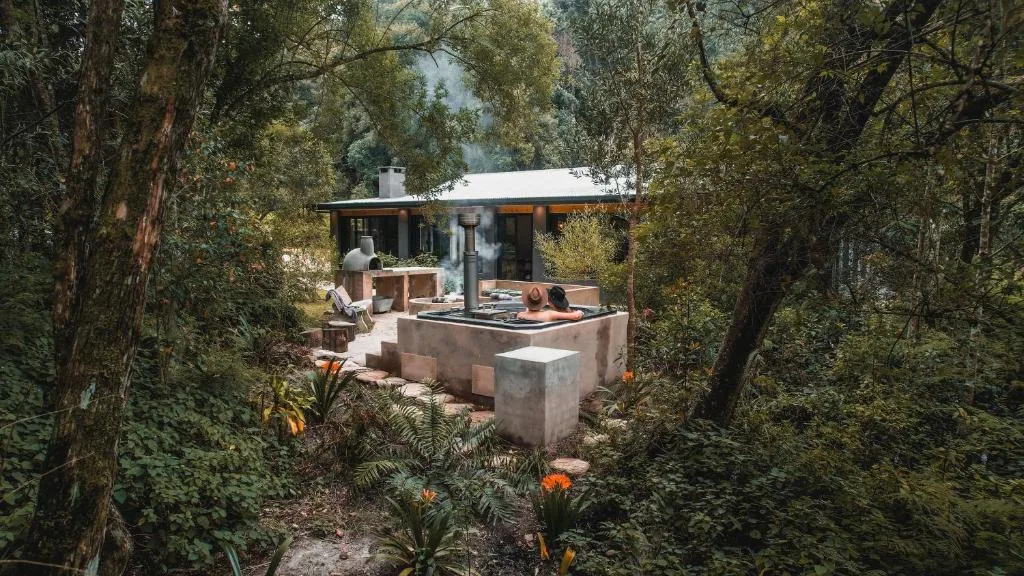
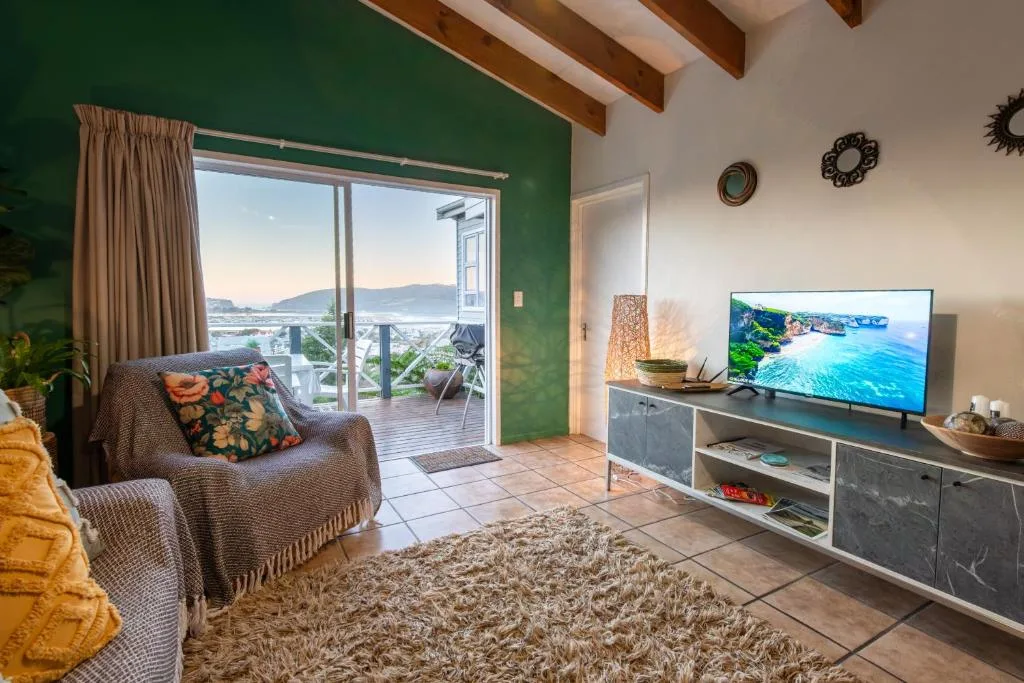
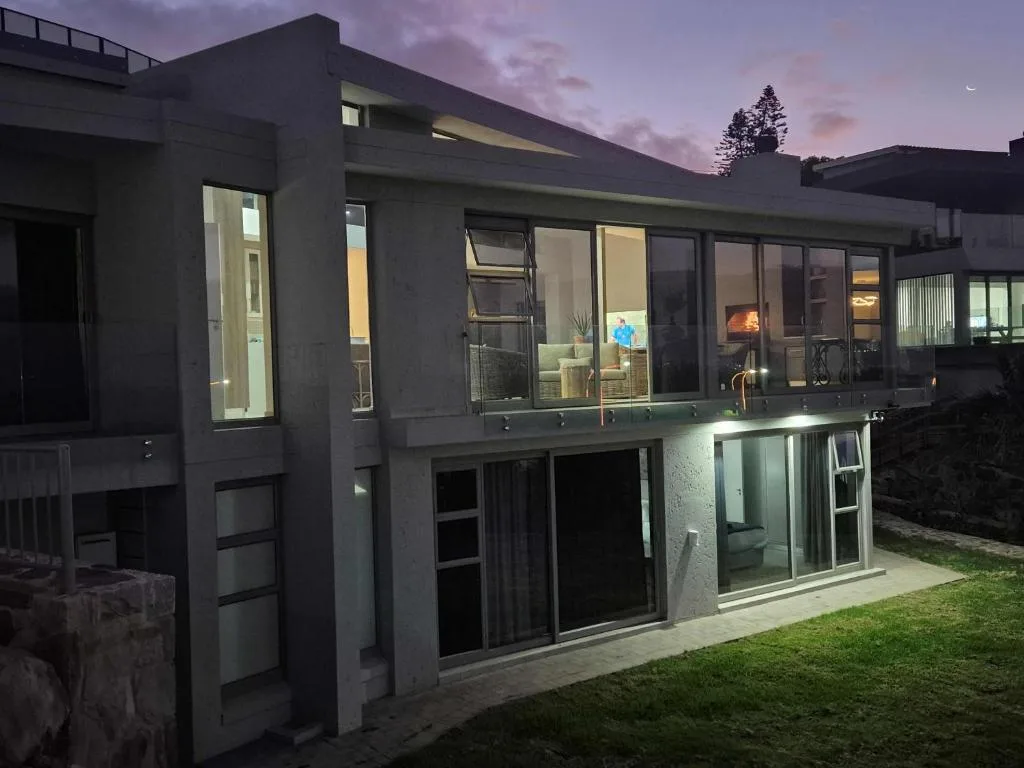
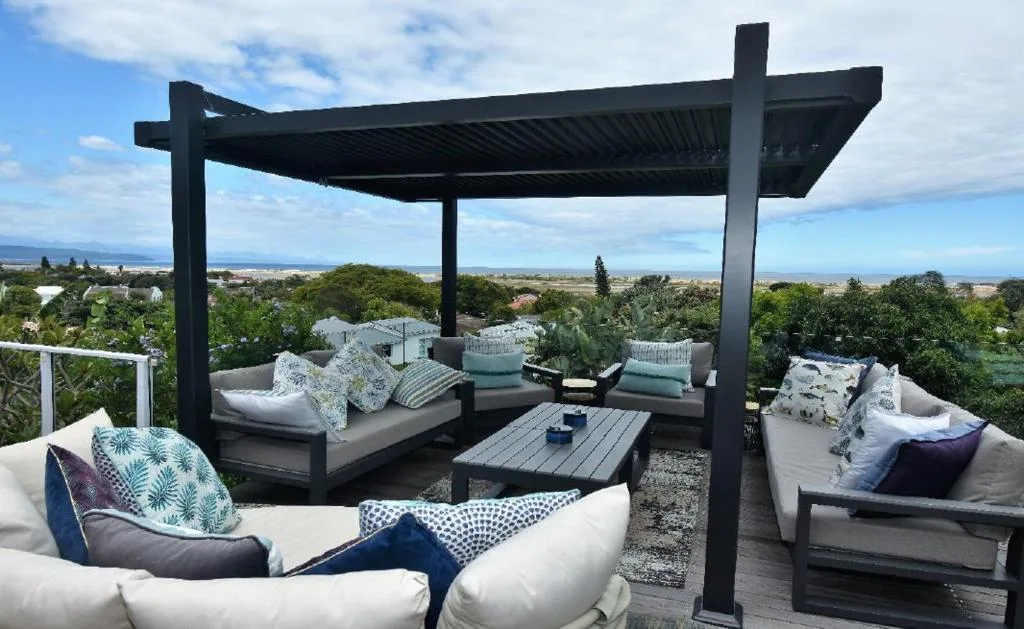
Browse self-catering by town: George, Mossel Bay, Wilderness, Sedgefield, Knysna, Plettenberg Bay.
Sample Garden Route itineraries
The right number of nights is the most-asked question I get. Three options below. Pick the one that matches your time, then read the dedicated itinerary post for the day-by-day.
5-day taster
Mossel Bay (1 night) → Wilderness (1 night) → Knysna (1 night) → Plettenberg Bay (2 nights). Hits the highlights, gives you one full Plett day for Robberg, but skips Tsitsikamma and Sedgefield entirely. Realistic for a long weekend extended either side.
7-day classic
Mossel Bay (1 night) → Wilderness (1 night) → Knysna (2 nights) → Plettenberg Bay (2 nights) → Tsitsikamma day trip → fly out of Plett or drive to Gqeberha. The seven-night build is what most first-timers should book. Two-night stops in Knysna and Plett mean you actually unpack and rest. Tsitsikamma fits as a half-day from Plett.
10-day deep dive
The 7-day plan plus 2 nights in Sedgefield (slow it down) and 1 extra Plett night for Nature's Valley. Adds the Otter Trail's day-walk option, time for both Plett wineries, and a second Robberg circuit if the first one is fogged out (it happens).
The 10-day plan slows down two of the towns rather than adding new ones — pace, not breadth.
Practical tips for SA travel
The brochures skip the practical stuff. Here's what every first-time visitor wishes they'd known.
Load-shedding
Eskom (the national power utility) runs scheduled rotating power cuts called load-shedding — typically 2–4 hours a day, often more in winter. Most self-catering properties in 2026 have either gas hobs, solar with battery backup, or both — but check the listing before booking. Restaurants in Plett, Knysna and George almost all have generators. Petrol stations on the N2 are exempt from load-shedding. Apps to download: EskomSePush.
Water restrictions
Plett and Knysna have summer water restrictions most years — short showers, no washing cars, no filling pools. Properties usually post the rules on the fridge. Bottled water is cheap and widely available. The tap water is safe to drink everywhere on the route.
Cash, cards, tipping
Cards work everywhere — Visa and Mastercard at every restaurant, hotel and most shops. American Express is patchy. Tipping: 10–15% at restaurants (10% is the default, 15% for genuinely good service), R5–R10 to petrol attendants (yes, they fill your tank for you — it's not self-service in SA), R5–R10 to car-guards in town centre car parks, R20–R50 a day to housekeeping for self-catering stays.
Driving rules
Drive on the left. Speed limits: 60 km/h in town, 100 km/h on regional roads, 120 km/h on the N2. The Tsitsikamma toll plaza east of Plett is the only toll on the route — about R73 for a passenger car. Watch for pedestrians and stray livestock on the rural stretches around Wilderness and Storms River. Don't drive at night if you can avoid it.
Safety
The Garden Route is one of South Africa's safer regions. Standard travel sense applies — don't leave valuables visible in a parked car, don't walk deserted beaches alone after dark, lock doors at night even at self-catering houses. NSRI bases at Plett, Knysna and Mossel Bay are staffed year-round. Police emergency: 10111. Medical emergency: 10177.
How long do you need?
The honest answer depends on what you want from the trip — but three brackets cover most of it.
Bare minimum: 3 nights. You'll see one half of the route well — either Mossel Bay through Wilderness, or Knysna through Tsitsikamma — but not both. Realistic for a long-weekend add-on to a Cape Town trip.
Sweet spot: 7 nights. The full coastline, time to actually relax in Knysna and Plett (two nights each), Tsitsikamma as a half-day, one slow morning in Wilderness or Sedgefield. This is the trip the route was designed for.
With Cape Town: 14 nights. Three nights Cape Town, seven nights Garden Route, optional two-night Addo Elephant Park add-on east of Tsitsikamma, fly out of Gqeberha. The complete southern-Africa coastal arc.
For the full day-by-day with stops, drive times and property picks per night, see our 7-day Garden Route itinerary.
Frequently asked questions
What is the nicest town on the Garden Route?
Plettenberg Bay wins on beaches and Knysna wins on the lagoon — most first-timers split four nights between the two. Wilderness is the local pick if you want lakes, forest and a quieter base.
What not to miss on the Garden Route?
Three things — the Robberg Peninsula hike at Plett, the Tsitsikamma suspension bridge at Storms River, and a sunset at the Knysna Heads. Together they cover the coast, the cliffs and the lagoon in one trip.
Which month is best for Garden Route South Africa?
October is the sweet spot — water is warming, Southern Right whales are still calving in the bays, the spring flowers are out, and rates sit 30–50% below peak. February to April is the close runner-up.
What is the best part of the Garden Route?
The 90 km strip between Wilderness and Plettenberg Bay. It packs four of the six towns, the Knysna Heads, Robberg, the Wilderness lakes and the best beaches into a single hour-and-a-bit drive.
How long does it take to do the Garden Route in South Africa?
Three nights is the bare minimum — you'll see Mossel Bay through to Plett but skip Tsitsikamma. Seven nights is the sweet spot. Add Cape Town on either end and you're looking at a 14-night trip.
How many days do you need for the Garden Route?
Seven days is the right answer for most travellers — two nights Plett, two nights Knysna, one night each in Wilderness and Mossel Bay, and a half-day at Tsitsikamma. Five days is doable but rushed.
Where to stay along Garden Route South Africa?
Self-catering houses and apartments win for groups and families — full kitchen, washing machine, 30–50% cheaper per head than hotels. We host 600+ self-catering properties across all six towns; pick by what each town does best.
How long does it take to drive the Garden Route?
End to end — Mossel Bay to Storms River — is roughly 220 km on the N2 and takes about 2 hours 30 minutes non-stop. Nobody actually drives it that way. Most trips spread the same route over 5–7 days.
Plan your Garden Route stay
The Garden Route rewards travellers who stop. Three nights is enough to taste it, seven nights is enough to actually rest, and ten nights is enough to feel like you've lived there for a moment. Whichever bracket you fall into, the practical move is the same: pick a self-catering base in each town that fits your group, cook half your meals, eat the other half out, and let the days run on Garden Route time rather than your own. That's where this trip earns its reputation.
Six towns, six different holidays:
- George — gateway and airport hub
- Mossel Bay — start of the route, sheltered beaches
- Wilderness — lakes, forest, kingfishers
- Sedgefield — Cittaslow and Saturday markets
- Knysna — lagoon, the Heads, oysters
- Plettenberg Bay — beaches, whales, Robberg
You'll find the town links, ranked picks and live availability in the "Where to stay" section above — that's the one part of this guide I've spent the most time getting right.
Frequently asked questions
What is the nicest town on the Garden Route?
Plettenberg Bay wins on beaches and Knysna wins on the lagoon — most first-timers split 4 nights between the two. Wilderness is the local pick if you want lakes, forest and a quieter base.
What not to miss on the Garden Route?
Three things — the Robberg Peninsula hike at Plett, the Tsitsikamma suspension bridge at Storms River, and a sunset at the Knysna Heads. Together they cover the coast, the cliffs and the lagoon in one trip.
Which month is best for Garden Route South Africa?
October is the sweet spot — water is warming, Southern Right whales are still calving in the bays, the spring flowers are out, and rates sit 30–50% below peak. February to April is the close runner-up.
What is the best part of the Garden Route?
The 90 km strip between Wilderness and Plettenberg Bay. It packs four of the six towns, the Knysna Heads, Robberg, the Wilderness lakes and the best beaches into a single hour-and-a-bit drive.
How long does it take to do the Garden Route in South Africa?
Three nights is the bare minimum — you'll see Mossel Bay through to Plett but skip Tsitsikamma. Seven nights is the sweet spot. Add Cape Town on either end and you're looking at a 14-night trip.
How many days do you need for the Garden Route?
Seven days is the right answer for most travellers — two nights Plett, two nights Knysna, one night each in Wilderness and Mossel Bay, and a half-day at Tsitsikamma. Five days is doable but rushed.
Where to stay along Garden Route South Africa?
Self-catering houses and apartments win for groups and families — full kitchen, washing machine, 30–50% cheaper per head than hotels. We host 600+ self-catering properties across all six towns; pick by what each town does best.
How long does it take to drive the Garden Route?
End to end — Mossel Bay to Storms River — is roughly 220 km on the N2 and takes about 2 hours 30 minutes non-stop. Nobody actually drives it that way. Most trips spread the same route over 5–7 days.