The best Knysna attractions all orbit one thing: the lagoon. Everything worth doing here either sits on the water, looks over it, or grows in the forest that climbs the hills behind it. Most Garden Route road-trippers give Knysna a night and a plate of oysters and move on — and miss the town at the green heart of the whole route, where a tidal estuary opens to the sea between two quartzite cliffs and indigenous forest runs right down to the shore. This is my ranked list: worth-a-detour picks up top, nice-if-you-have-time lower down.
For the bigger picture of where Knysna sits on the coast, our Knysna travel guide sets the town in context before you start ticking off the list.
1. See the Knysna Heads — the town's signature view
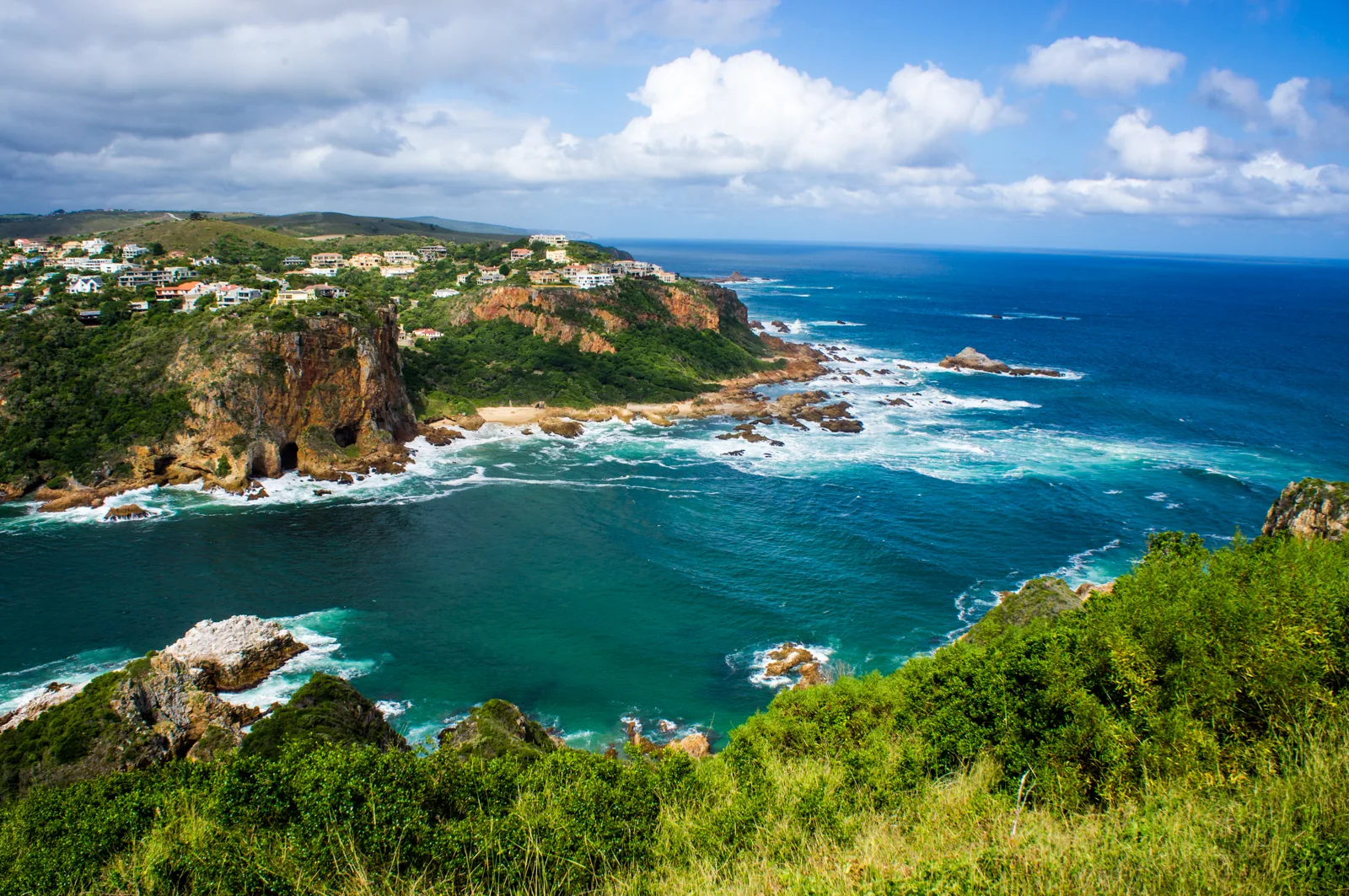
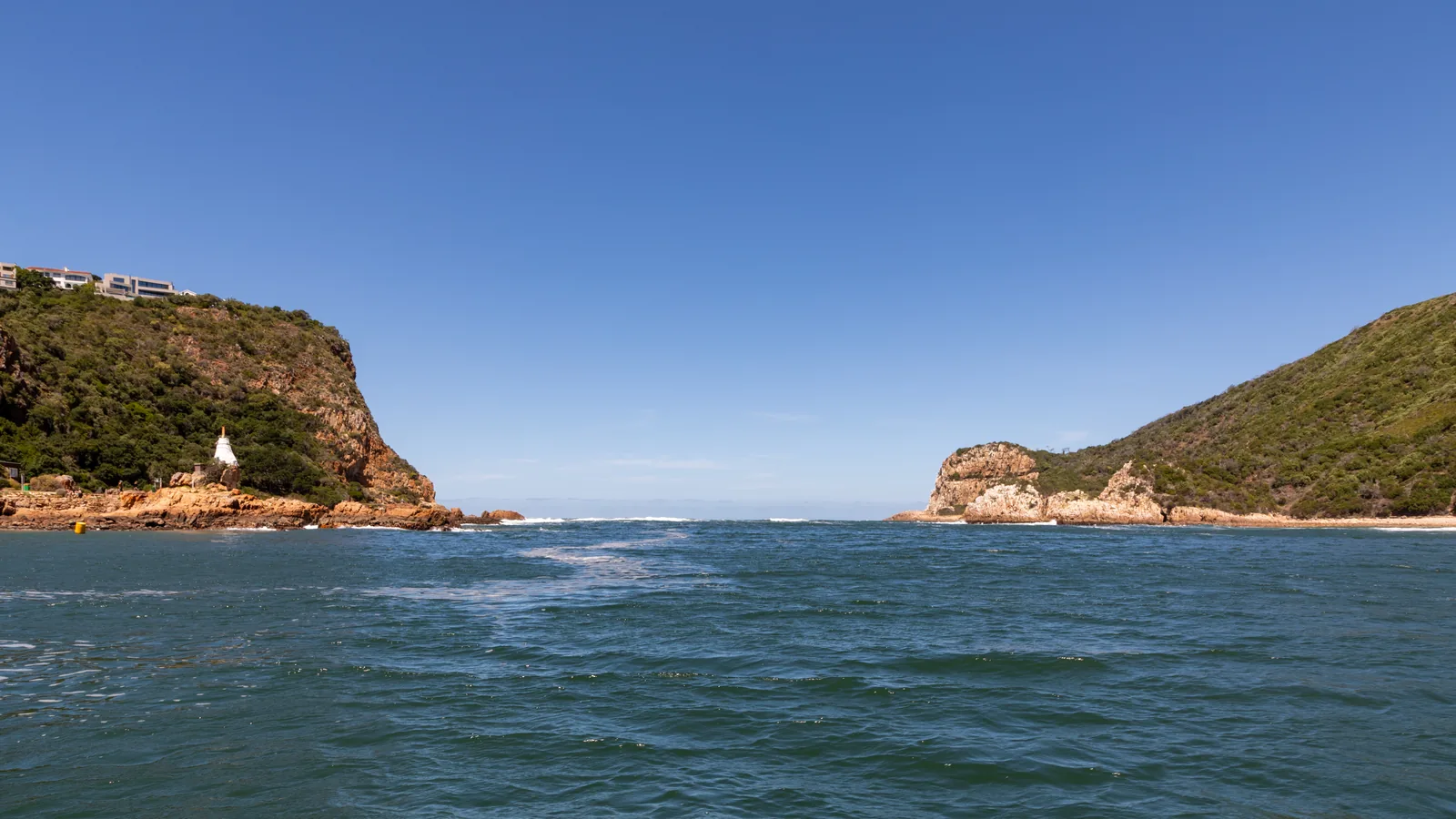
If you do one thing in Knysna, come out to the Heads. The estuary opens to the ocean between two large headlands made of Peninsula Formation quartzite, and the gap between them is the whole reason the town looks the way it does. The East Head has a public viewpoint you can drive right up to — a small parking area, a couple of benches, and a drop-away view across the channel to the cliffs of the Western Head opposite. Go at golden hour and you'll see why every Knysna postcard is shot from here.
The channel itself is famously treacherous — the Heads have become infamous for the loss of boats and fishermen in their unpredictable waters, so this is a look-don't-swim spot. The safe way onto the water is a skippered cruise: the lagoon ferries run right up to the mouth so you can look back at the cliffs from below. For the full detail on the viewpoint, the safety and the best time to go, see our Knysna Heads guide.
2. Take the Featherbed eco-experience to the Western Head
The Western Head is the one you can't drive to. Most of it is the Featherbed Nature Reserve — a privately-owned, registered nature reserve and a South African Natural Heritage Site (No.59), accessible by ferry only. The eco-experience is the classic Knysna half-day: a ferry across the lagoon, a tractor-trailer ride up the headland, then an easy guided walk back down through milkwood forest and coastal fynbos to a deck restaurant on the water, with the Heads laid out below you the whole way.
It's the single best way to understand the town's geography — you end up looking down on the channel, the lagoon and the town all at once. Book the ferry ahead in season; the buffet-lunch version is worth the extra.
3. Eat Knysna oysters at the Waterfront
Knysna and oysters are inseparable — the town throws a ten-day Knysna Oyster Festival every July, and slurping a half-dozen with a glass of something cold is a rite of passage here. One thing worth knowing: the oysters aren't farmed in the lagoon any more. Lagoon oyster cultivation was phased out (permits weren't renewed), so today the wild oysters are hand-collected by licensed harvesters, and the cultivated ones are trucked in from farms further along the coast. They're no less good for it.
The easy place to do it is the Knysna Waterfront, the little marina precinct of shops and restaurants on the lagoon. 34 Degrees South is the anchor — part deli, part seafood market, part restaurant — where you can pick oysters off the ice and eat them right there by the water.
4. Wander Thesen Islands
Just off the town centre sits Thesen Islands — a residential marina built on what was once a single timber-mill island, now cut into nineteen man-made islands laced together by canals and 21 arched bridges. You don't need to be staying there to wander it: the canals, the boardwalks and the harbour-town square are open, and it's one of the prettiest, calmest strolls in Knysna. Our Thesen Island guide has the full history and walking route.
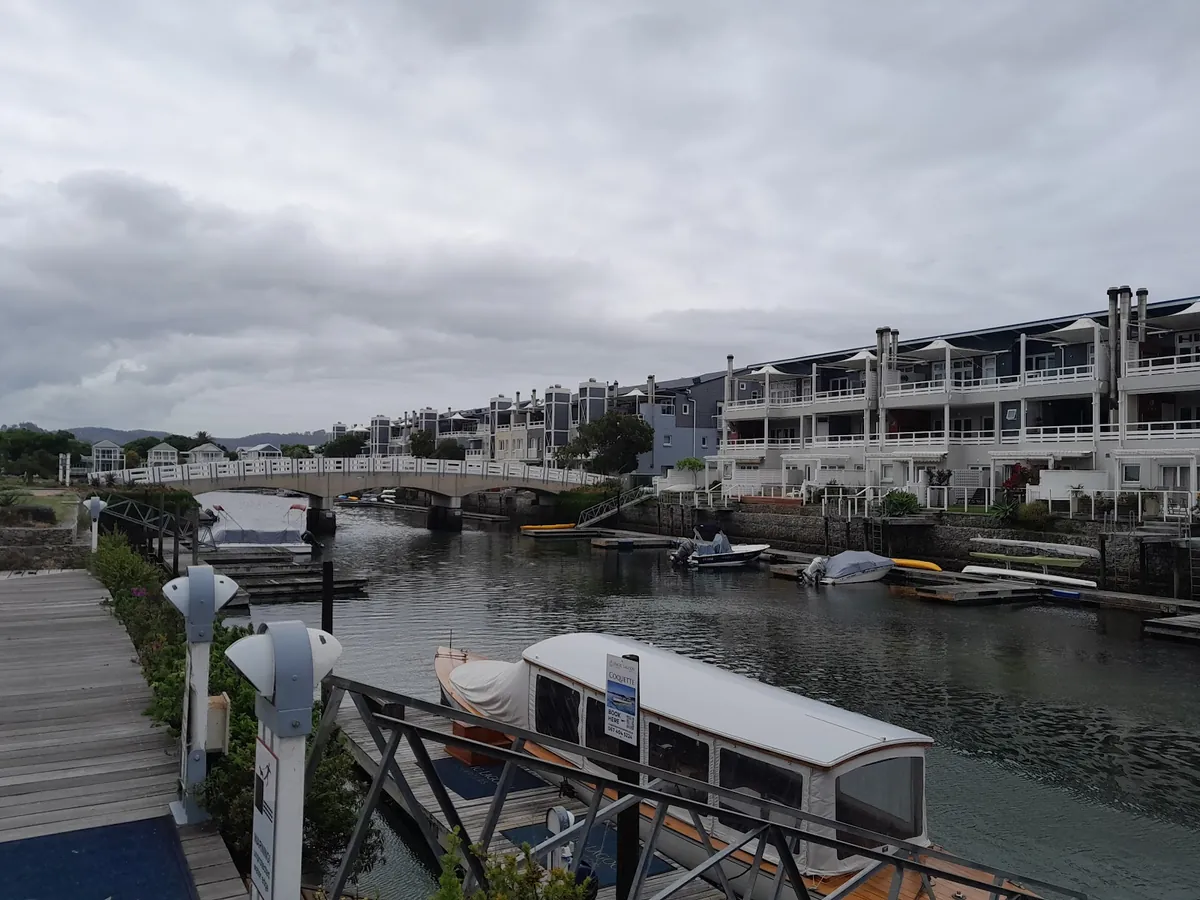
The reason to time your visit around a meal is île de païn, the bakery-restaurant in the Boatshed that draws people across the bridge for its bread, breakfasts and long, light-filled room.
5. Walk the Garden of Eden forest
Twenty minutes east of town on the N2, a small sign points into the trees at the Garden of Eden — a pocket of the indigenous Knysna forest set up for a gentle, no-effort walk. A raised wooden boardwalk loops through towering yellowwoods and stinkwoods, past ferns and little streams, with the trees labelled as you go. It's flat, shaded, wheelchair-friendly and takes twenty to thirty minutes at a stroll, so it suits every age and fitness level — and it's the easiest way to actually stand inside the ancient forest the whole region is named for.
6. Walk with elephants at Knysna Elephant Park
On the N2 between Knysna and Plett, the Knysna Elephant Park has been home to orphaned and relocated elephants since it opened in 1994. It was one of the first facilities in the country to take in orphaned elephants, and the visit is built around them: you feed the herd, then walk alongside them for an hour or so while a guide talks you through their histories and personalities. It's a hands-on, kid-friendly hour, and — unusually for an elephant attraction — there's no riding, just walking with them.
7. Taste craft beer at Mitchell's Brewery
Knysna has a decent claim to being the birthplace of South African craft beer: Mitchell's was founded here in 1983 by Lex Mitchell, one of the country's first microbreweries. Brewing has since moved to Cape Town, but the beers are still sold around town, and the Mitchell's outlet on Arend Street is where to pick up a case — call ahead to check current hours and whether tastings are on, as things have changed over the years. If you like a Forester's Draught or a 90 Shilling Ale, this is where it started.
8. Catch a lagoon sundowner
The lagoon does one more thing beautifully: sunsets. The water goes still and gold in the last hour of light, and there are a few ways to be on it — a booked sunset cruise, a hired kayak, or a drink at the Knysna Yacht Club, which sits right on the estuary and welcomes visitors. Time a sail or a sundowner for the golden hour and you'll get the calmest, prettiest version of the town.
Still got time? A few more Knysna picks
If you've built in a second or third day, there's more worth doing:
- Paddle or SUP the lagoon — the water is calm and protected; our roundup of things to do on the lagoon covers the operators and launch spots.
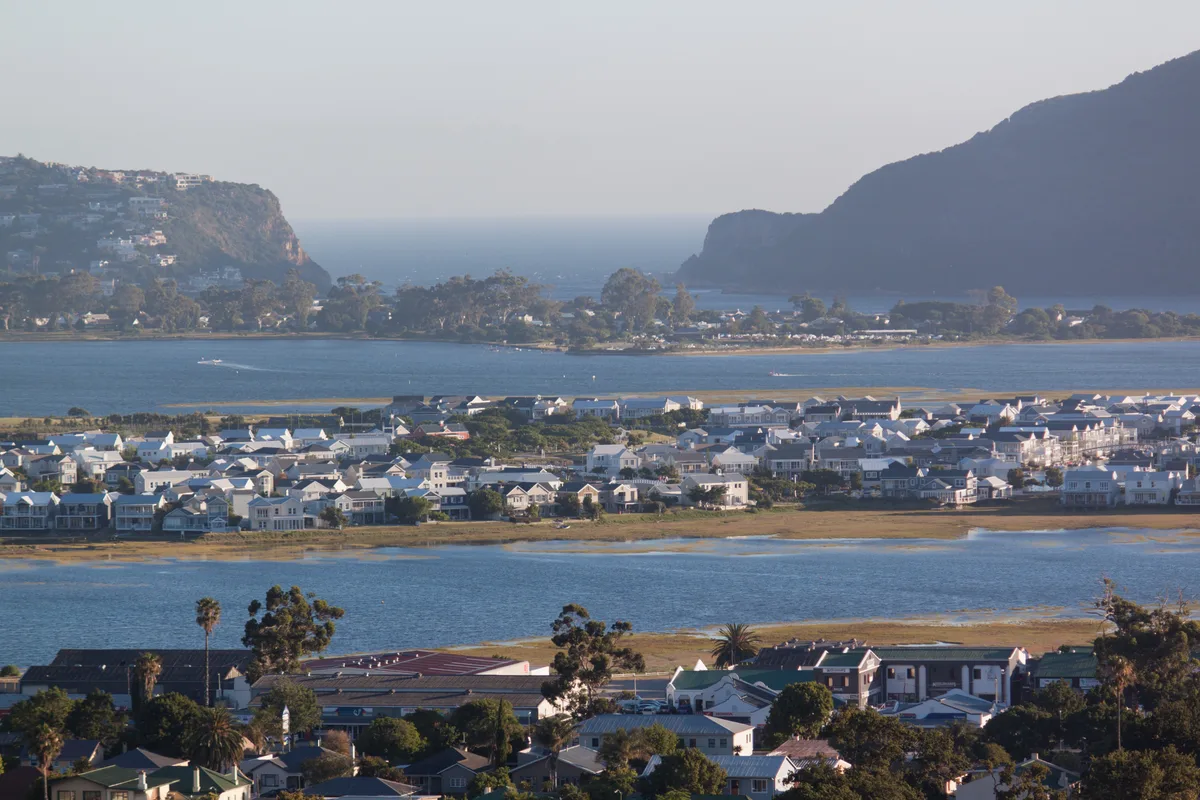
- Leisure Isle — a genteel island suburb with a warm, shallow swimming spot at Bollard Bay, ideal for small children.
- Brenton-on-Sea — the long ocean beach a short drive over the hill, for surf and sundowners when you want the sea rather than the lagoon.
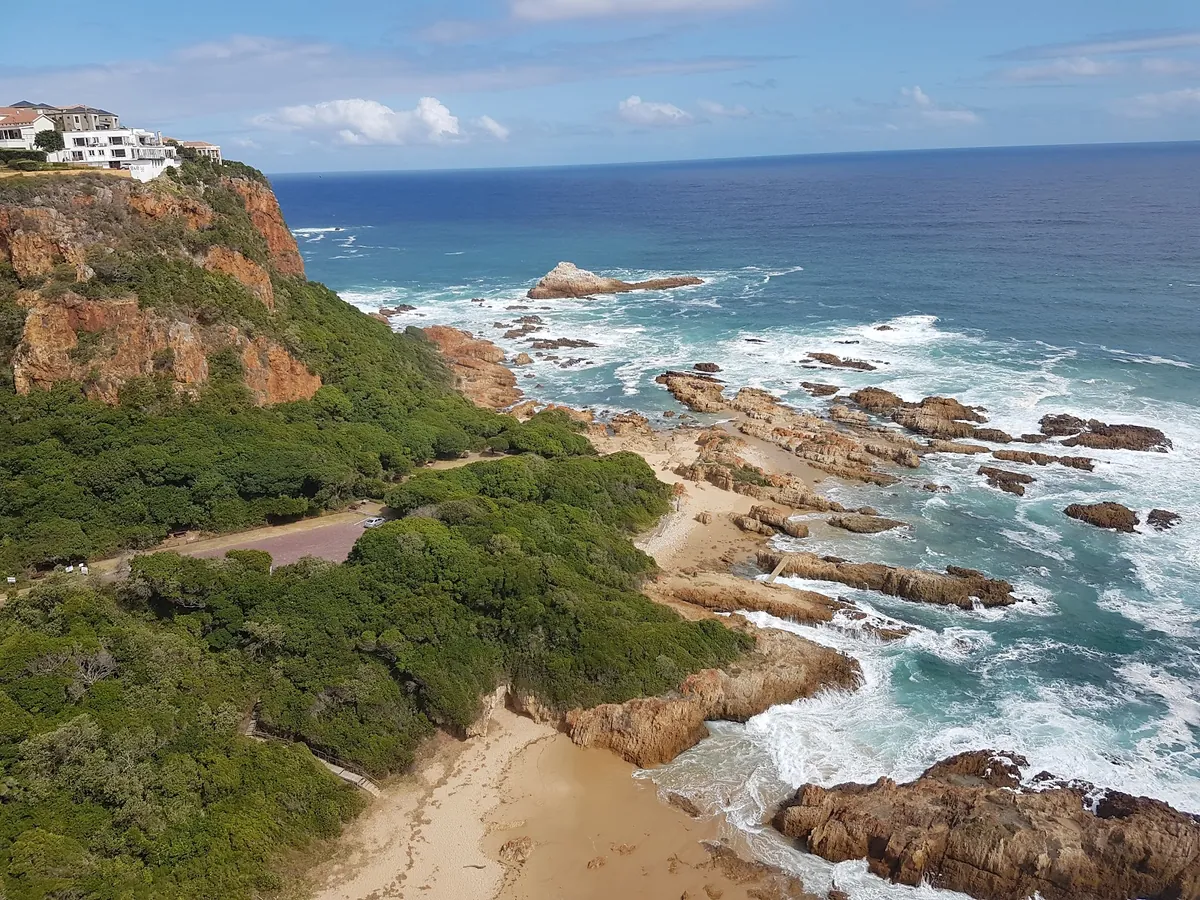
- Noetzie — a hidden beach below a cluster of private "castles", reached by a steep set of steps through the forest.
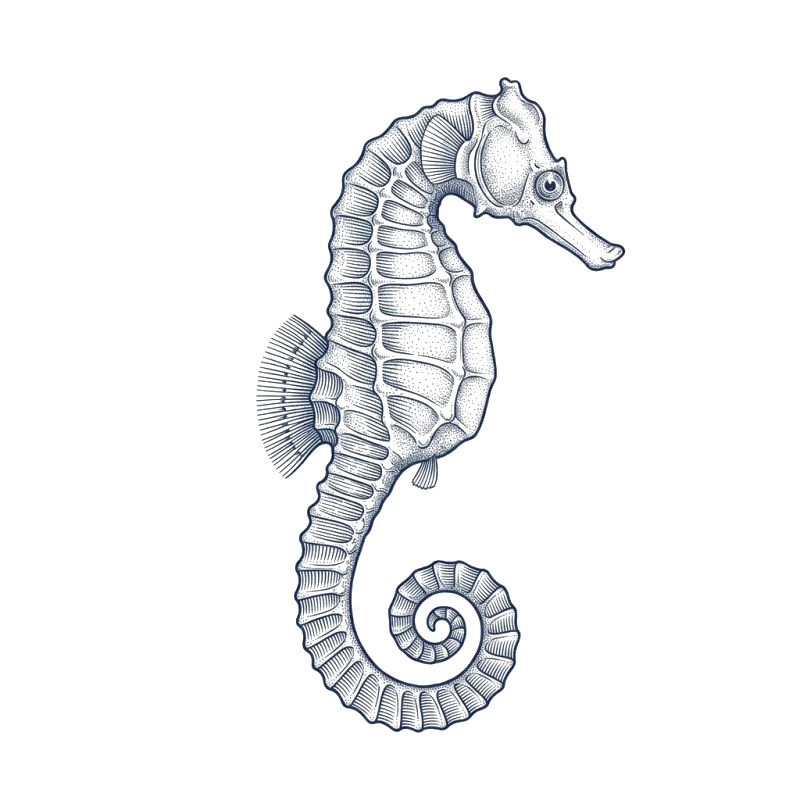
- Spot a Knysna seahorse — the endangered Hippocampus capensis lives in just three estuaries on earth, and Knysna is one of them.
Knysna practical tips
- When to go — Knysna is a year-round town. Summer (December–February) is warmest and busiest; the Oyster Festival fills the first half of July; and the shoulder months of March–May and September–November are quiet, mild and my pick.
- Book the guided things ahead — the Featherbed ferry, sunset cruises and the Elephant Park fill up over December–January, Easter and the July festival.
- The Heads viewpoint is free — you can drive straight up to the East Head lookout; only the boat trips and the Western Head reserve cost anything.
- Mind the channel — the Heads are beautiful but dangerous. Admire from the viewpoint or a skippered boat; don't swim the mouth.
- It's a driving town — the attractions are spread from Thesen Islands to the N2 forest, so a car makes Knysna far easier than relying on lifts.
Where to stay in Knysna
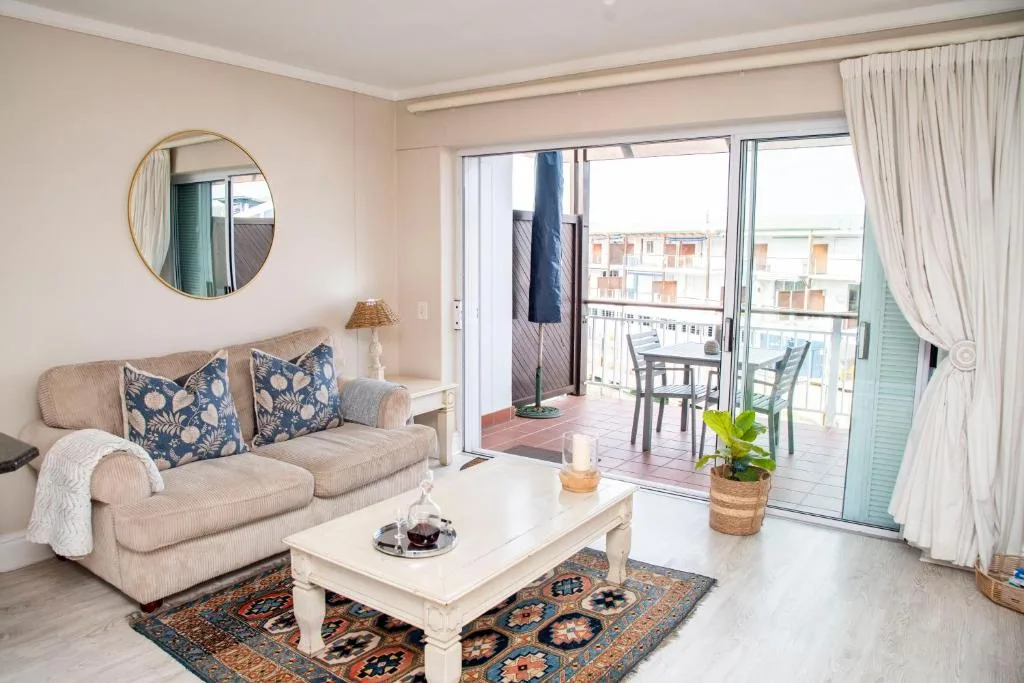
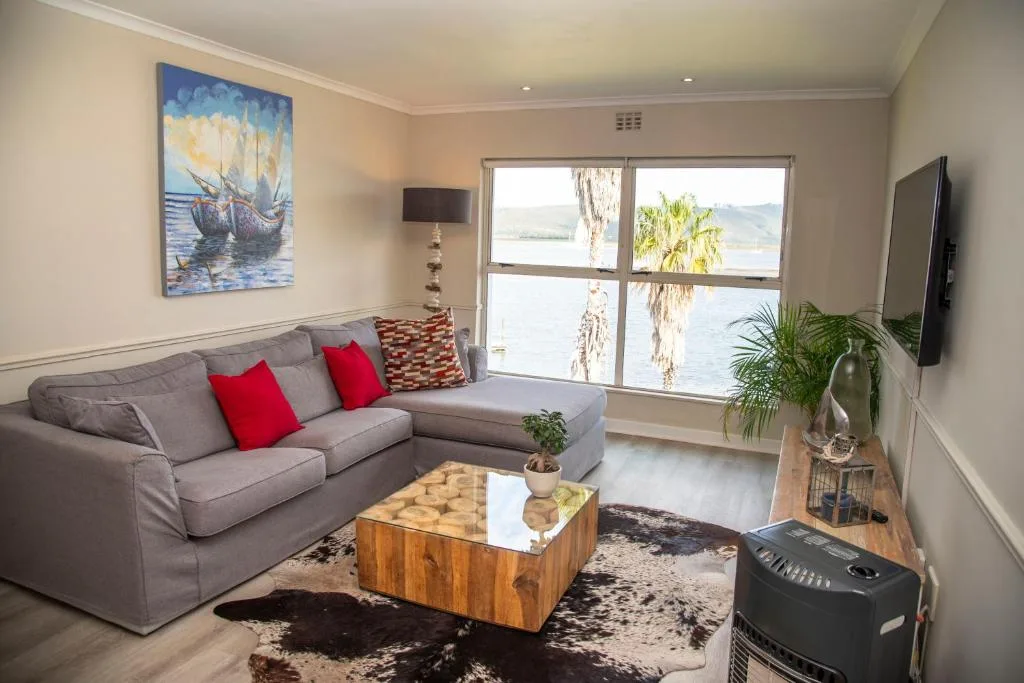
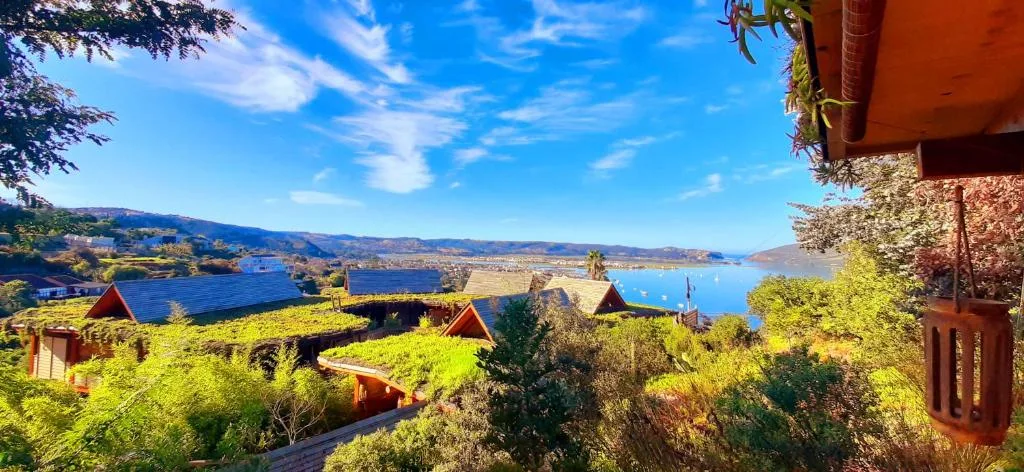
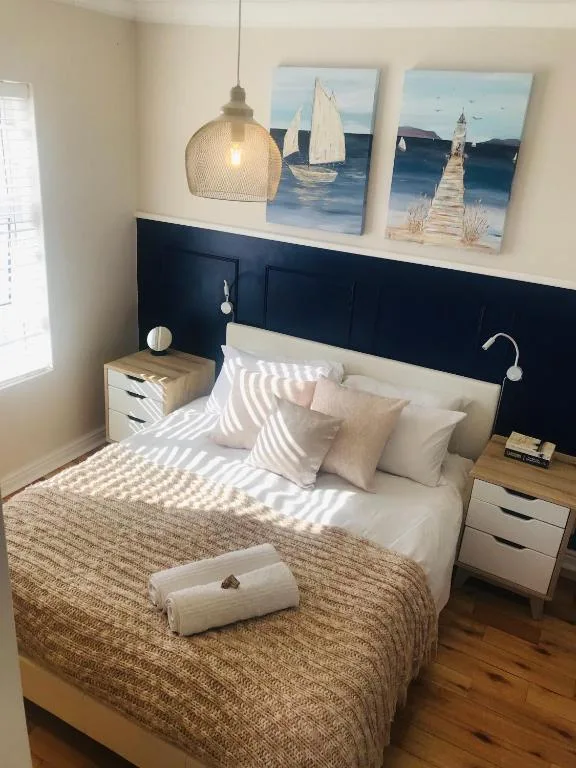
Base yourself for what you've come for. If it's the Waterfront and the restaurants, stay around the Quays or Thesen Islands. If it's the view, the hillside suburbs above the lagoon are hard to beat — and self-catering gives you a kitchen for the oysters and fish you'll want to cook, plus room to spread out between outings.
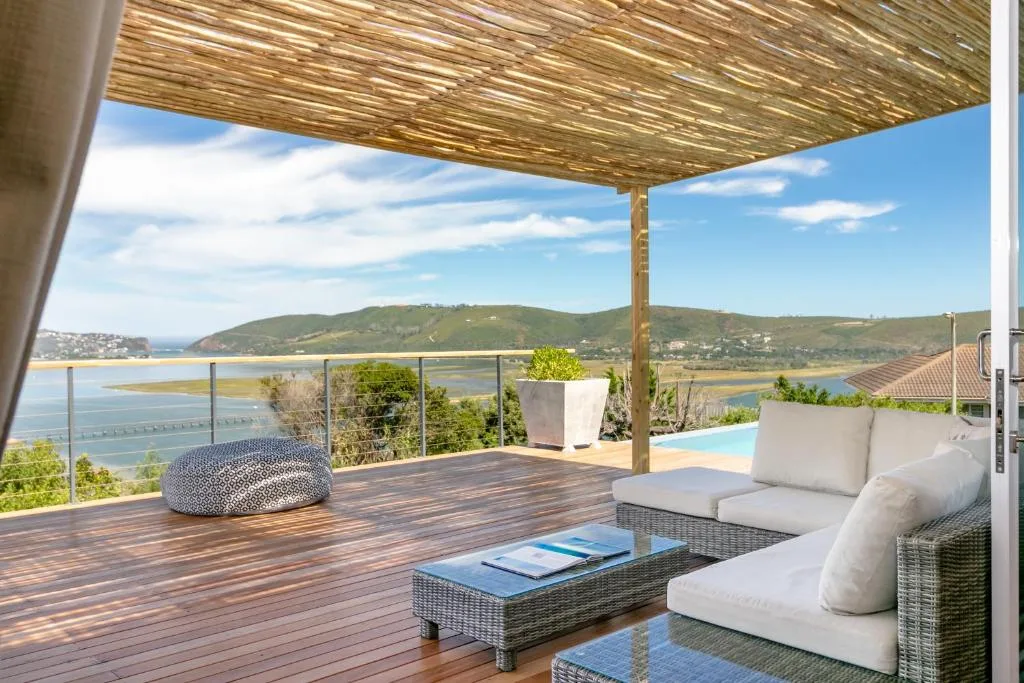
Browse the full range of Knysna self-catering to match a stay to your plans.
Sources
- Wikipedia — Knysna
- Featherbed Nature Reserve — official site
- SA-Venues — Garden of Eden forest walk
- Knysna Elephant Park
- Visit Knysna — official tourism site
- Wikipedia — the Knysna seahorse
Where Knysna stays sit
Every listing plotted, with attractions dotted around it. Tap a navy pill to see the stays in that cluster.
Frequently asked questions
What is Knysna famous for?
Knysna is famous for its lagoon and the two dramatic sandstone headlands — the Knysna Heads — that guard its mouth. It's also known for oysters, indigenous forest, the endangered Knysna seahorse, and the July Oyster Festival.
How to spend a day in Knysna?
Start at the East Head viewpoint, then cruise the lagoon or take the Featherbed ferry to the Western Head. Eat oysters at the Waterfront for lunch, and add a forest walk at the Garden of Eden if you have the afternoon.
What to do for free in Knysna?
Plenty. Drive out to the East Head viewpoint, walk Leisure Isle and Brenton beach, wander the Thesen Islands canals and the Waterfront boardwalk, and watch the boats work the lagoon — none of it costs a cent.
Is Knysna, South Africa worth visiting?
Yes. Knysna is the green heart of the Garden Route — a lagoon town wrapped in indigenous forest, with the Heads, the Featherbed reserve, fresh oysters and easy day trips. Most road-trippers wish they'd booked longer.
What to do in Knysna with family?
Feed and walk elephants at Knysna Elephant Park, take the Featherbed ferry, paddle the calm lagoon, and walk the easy Garden of Eden boardwalk — all child-friendly and mostly weatherproof.
Is it safe to walk around Knysna?
The Waterfront, Thesen Islands and Leisure Isle are relaxed and walkable by day. Use normal town sense — don't flash valuables, avoid quiet areas after dark, and drive rather than walk between areas at night.