If you're hunting for an elephant sanctuary in Plettenberg Bay, you've actually stumbled onto something bigger: a tight cluster of six wildlife sanctuaries that makes The Crags one of the best family wildlife days on the whole Garden Route. Two of them are about elephants. The other four cover primates, big cats, free-flying birds and rehabilitated wild cats — most within a few minutes' drive of each other.
I've sent a lot of families up here over the years, and the questions are always the same: which ones are worth it, which are genuine rescue operations rather than tourist traps, and how do you do them without burning a whole holiday. This is my honest run-through. For the wider picture of the town, our Plettenberg Bay travel guide sets the scene; this guide zooms in on the animals.
The Crags: Plettenberg Bay's "Animal Alley"
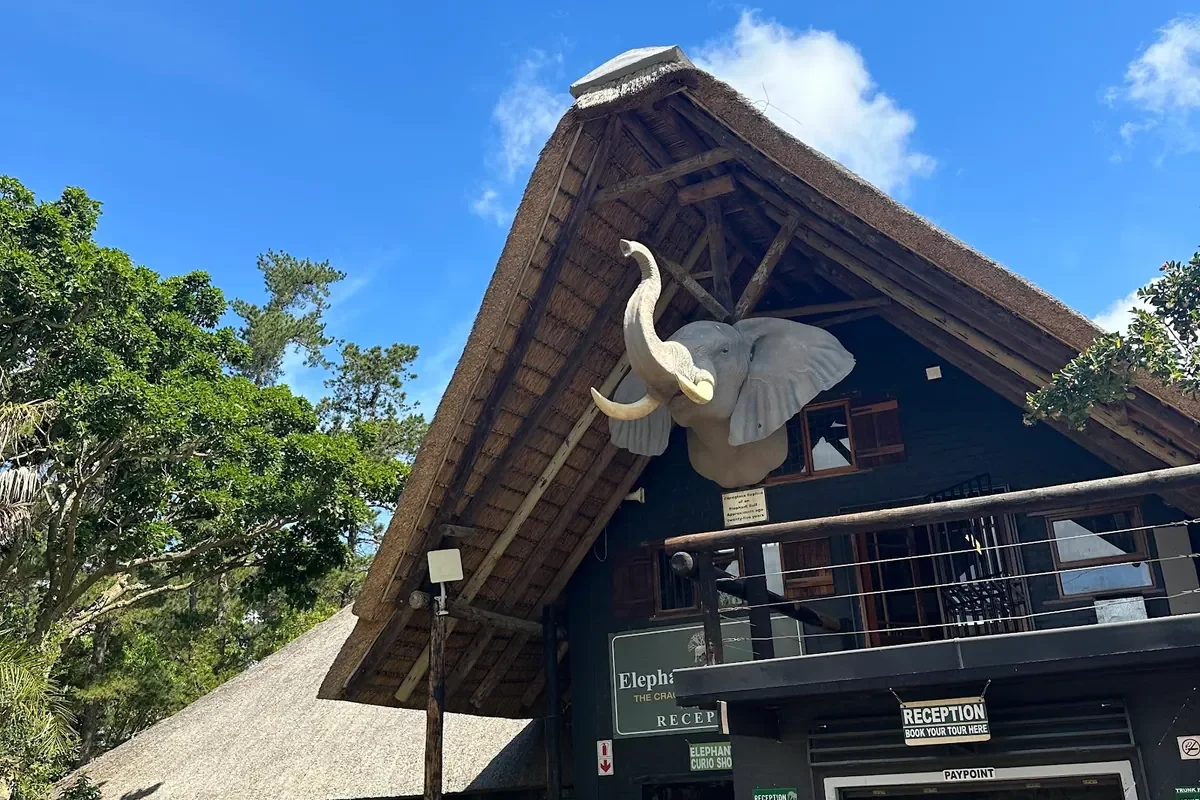
Almost everything here lives in The Crags — a green, forested pocket about 16 km east of Plettenberg Bay, just off the N2 on the road towards Nature's Valley. Locals call the side road "Animal Alley" for good reason: Monkeyland, Birds of Eden, Tenikwa and the Elephant Sanctuary are all clustered along it, with Jukani a few kilometres back towards town. You can stand at one and see the next one's signage.
The two elephant experiences sit on opposite sides of Plett. The Elephant Sanctuary is out east in The Crags; the Knysna Elephant Park is about 20 minutes the other way, west of town towards Knysna. Everything else is east. That geography matters when you're planning a day — more on that below.
A quick honesty note up front, because it's the thing people care about most: these places sit on a spectrum. Some are rescue-and-release operations that keep their distance from visitors. Others are hands-on, interaction-based experiences. Neither is automatically "bad", but they're not the same thing, and I've flagged which is which.
Elephant Sanctuary Plettenberg Bay (The Crags)
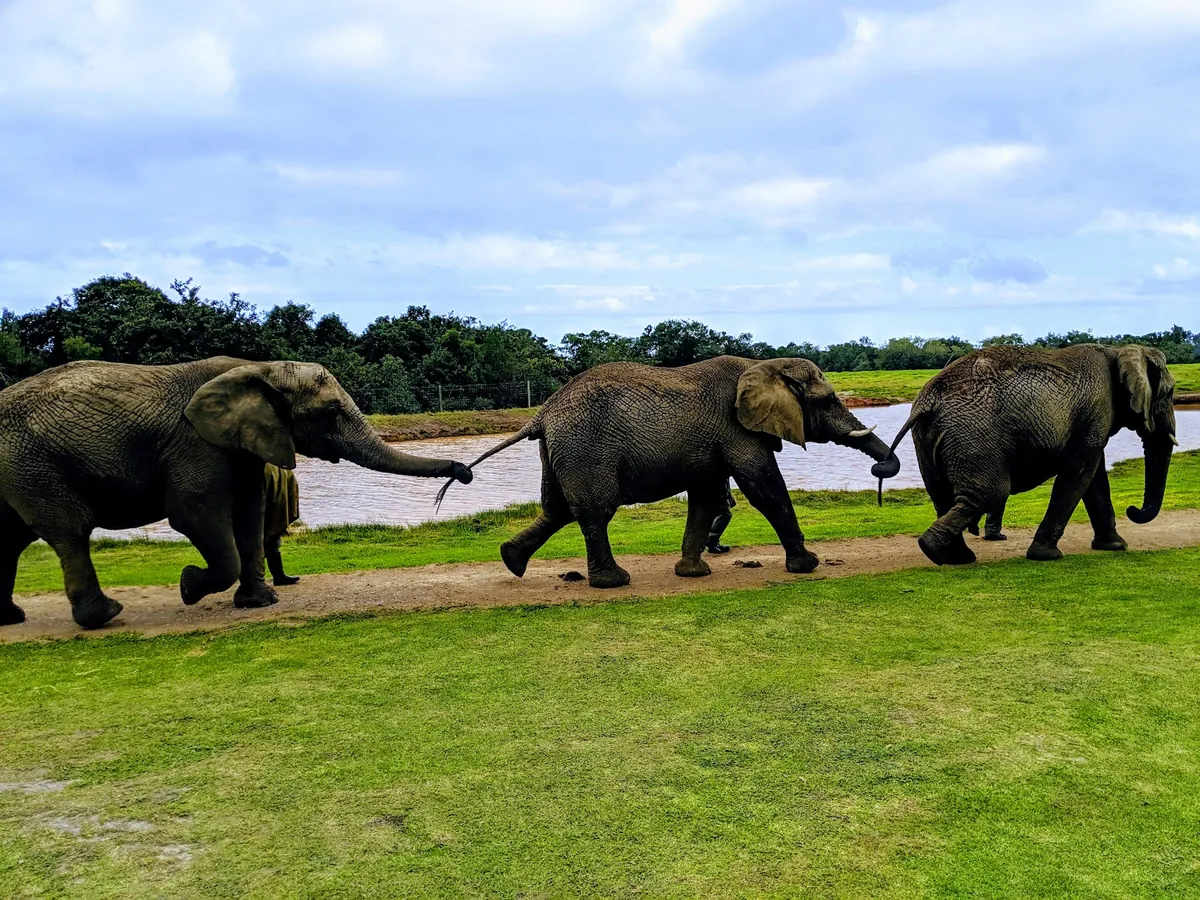
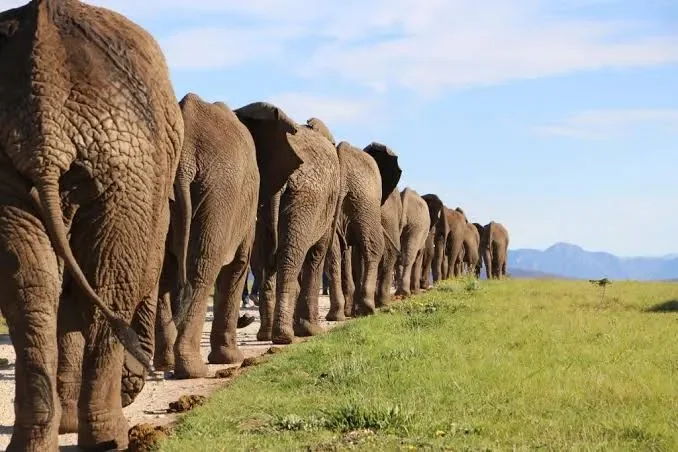
This is the one most people mean when they search for an elephant sanctuary in Plettenberg Bay. It's in The Crags on Animal Alley, and the signature experience is a "trunk-in-hand" walk — you stroll alongside the elephants, hand resting in the curl of a trunk, while a guide talks you through their stories. The group started in 1999 and works with rescued, relocated and previously overworked elephants, with rehabilitation as the stated aim.
It's the most hands-on of the two elephant options, and that's the trade-off: you get a genuinely close, tactile encounter, which kids tend to remember for life, but it is an interaction experience rather than a hands-off reserve. If touching the animals matters to you, this is the one. If you'd rather keep contact to a minimum, read the Knysna Elephant Park section next.
Knysna Elephant Park — the bigger herd, west of town
About 20 minutes west of Plett on the N2, on the way to Knysna, the Knysna Elephant Park is the older, larger elephant operation. It was established in 1994 as the first facility in South Africa to house and care for orphaned African elephants, and it's grown into a free-roaming herd you walk out to meet wherever they happen to be grazing.
The feel here is a touch more hands-off than the Plett sanctuary: you feed and walk with the herd, but several recent visitors specifically praised that the guides don't let you grab or crowd the animals. It's also the one place on this list where you can sleep over — there are lodge rooms that look straight onto the elephant boma. With nearly 5,000 reviews at a 4.6 average, it's the most-reviewed wildlife attraction in the area by a distance.
Monkeyland Primate Sanctuary, The Crags — the world's first free-roaming primate reserve
Back east in The Crags, Monkeyland Primate Sanctuary is the one I'd put at the top for most families. It bills itself as the world's first free-roaming, multi-species primate sanctuary, and the format is the draw: there are no cages. You walk a roughly 1.2 km forest trail with a guide while rescued primates — capuchins, lemurs, gibbons and more — move freely through the canopy around and above you. The walk crosses a long rope-suspension bridge strung through the treetops, which the kids will rate higher than any animal.
Monkeyland was founded in 1998 and is one of four sanctuaries under the South African Animal Sanctuary Alliance (SAASA). Because the animals roam free, sightings aren't guaranteed on any given stretch — but that's rather the point. Allow a couple of hours, and wear closed shoes; the forest floor gets muddy.
Monkeyland and its neighbour Birds of Eden share a car park, so it's easy to do both in a morning. This walkthrough captures the feel of both:
Birds of Eden — the world's largest free-flight aviary
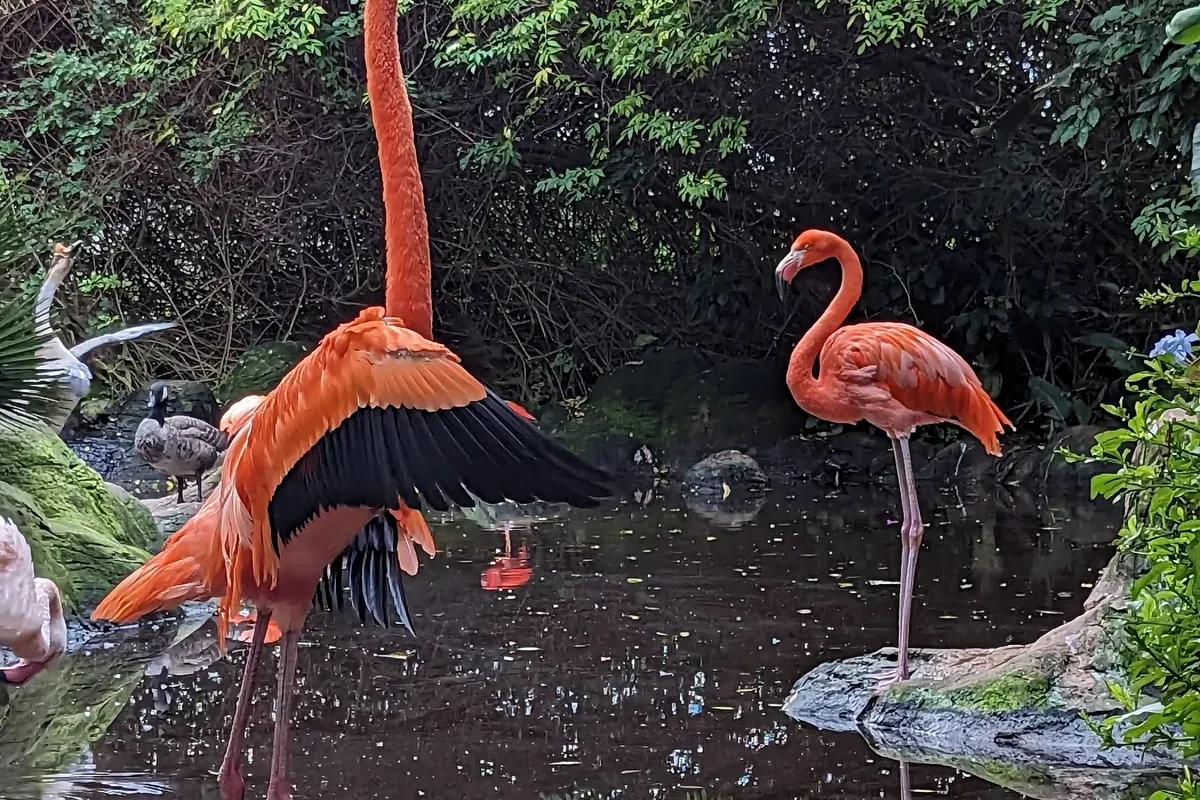
A few steps from Monkeyland, Birds of Eden is genuinely a record-holder: its single mesh dome was built over 2.3 hectares spanning a forested gorge, which makes it the world's largest free-flight aviary. Inside, around 1.2 km of walkways — roughly three-quarters of them elevated to canopy height — wind past more than 3,000 birds. Many were rescued from cages and now fly free under the dome.
It's the easiest of the lot: flat, shaded, self-paced, and gentle on small legs and older knees alike. The birds are tame enough that some will perch beside you on the path. Opened in December 2005, it's also a SAASA member, which is why it pairs so neatly with Monkeyland next door on a combo ticket.
Jukani Wildlife Sanctuary — rescued big cats
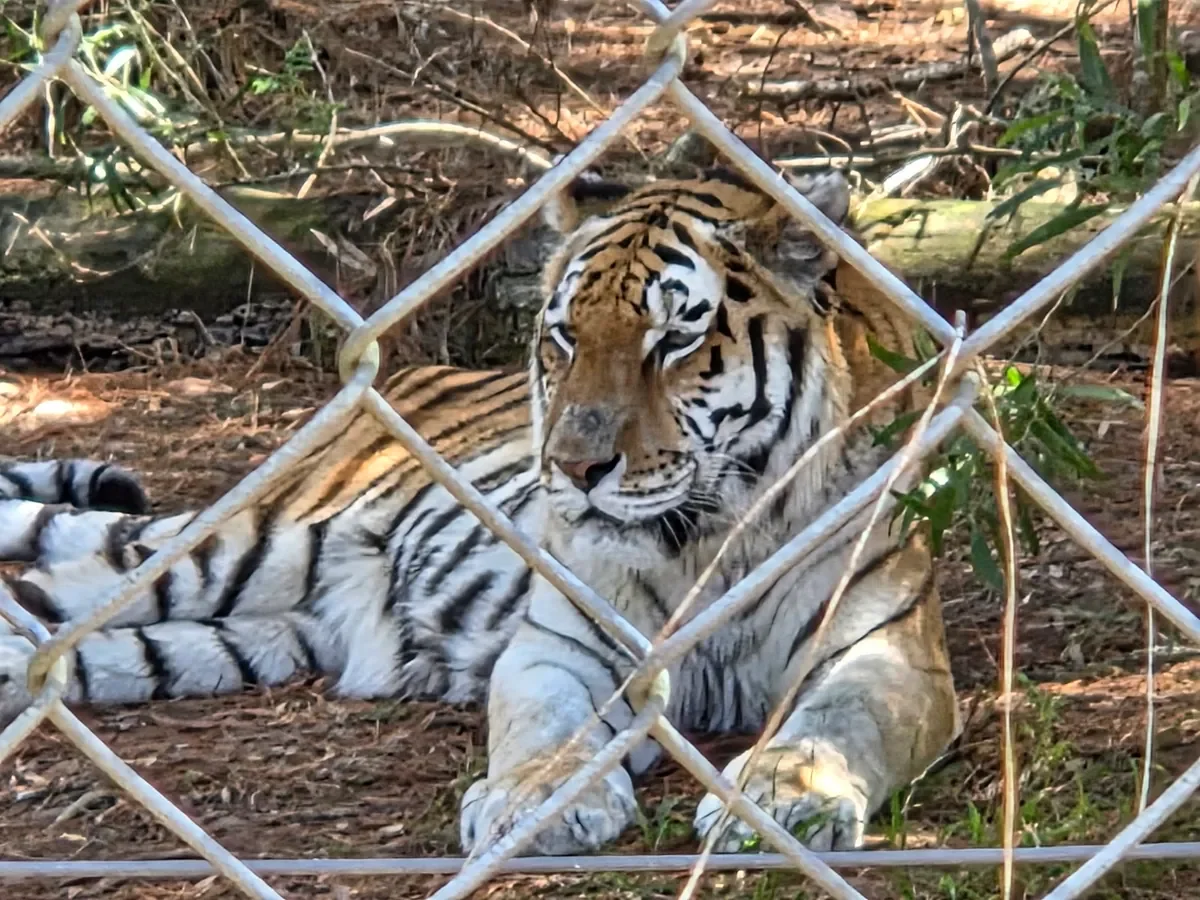
Jukani is the big-cat member of the SAASA trio, a few kilometres back towards Plett. The roll-call is serious: rescued lions (tawny and white), Bengal and Siberian tigers, leopard, jaguar, cheetah, puma, caracal and serval, all in large, natural enclosures you walk past with a guide on roughly an hour-long tour. Because the spaces are big and planted, the cats can hide — don't be surprised if you miss one or two.
What I rate about Jukani is its ethics. It's a refuge for rescued and re-homed cats, not a breeding facility or a zoo: a firm no-touch, no-breed policy, no cubs pulled for cuddle-photos, and no choreographed feeding shows. If you've ever felt uneasy about cub-petting outfits, this is the antidote — you're funding sanctuary, not spectacle.
Tenikwa Wildlife Awareness Centre — The Crags rehab-and-release sanctuary
Tenikwa Wildlife Awareness Centre is the quietest and, to my mind, the most mission-driven of the bunch. It's an independent non-profit in The Crags whose wildlife hospital admits roughly 200–300 injured and abandoned indigenous animals a year, from birds and sea mammals to meerkats and wild cats, with the goal of rehabilitating and releasing them back into the wild alongside the nature authorities. The animals with a real shot at release are kept away from the public; you never see them.
What you do see on the wild cat tour is the permanent residents: cheetah, African wild cat, caracal, serval, leopard and lion. These are animals that can't be released, and now live out their days here. It's a smaller, more intimate visit than the SAASA sanctuaries, and the guides are unusually good at explaining the why behind it all. If supporting genuine conservation is your main filter, start here.
The SAASA combo ticket — see all three for less
Monkeyland, Birds of Eden and Jukani are run as one alliance — SAASA, the South African Animal Sanctuary Alliance — and they're sold as a bundle for a reason. You can buy a combo ticket for any two, or a three-sanctuary TripTic (the "Three Sanctuary Hopper") that covers all three at the best per-head rate. The best part: you don't have to cram them into one day. The combo can be used across separate, non-consecutive days, so you could do Birds of Eden one afternoon and save the cats for later in the week.
Prices shift each season, so I'm not going to quote a figure that's wrong by the time you read it — check the current rate on any of the three sites. But the maths is simple: if you're doing two or more, the combo beats single tickets every time. Tenikwa and the two elephant operations are separate businesses with their own tickets.
Hands-on or hands-off? An honest word on ethics
This is the bit worth slowing down for. The sanctuaries here fall into two broad camps, and knowing which is which helps you choose with a clear conscience:
- Hands-off, rescue-and-release: Tenikwa (rehabilitates and releases wild animals; you only see the un-releasable residents) and the SAASA trio — Monkeyland, Birds of Eden and Jukani — which keep a strict no-touch, no-breed line. You observe; you don't handle.
- Hands-on, interaction-based: the two elephant experiences, where walking with — and at the Plett sanctuary, touching — the animals is the whole point. Both work with rescued or relocated elephants, and both are well-reviewed, but they are interaction experiences by design.
There's no single right answer. Plenty of thoughtful visitors do an elephant walk and love it. Just go in knowing the difference, and avoid anything that offers cub-petting or photo-prop animals — none of the six here do, which is exactly why they make the list.
Which Plettenberg Bay sanctuary should you pick?
If you only have time for one or two, here's how I'd choose:
| You're travelling with… | Pick | Why |
|---|---|---|
| Young kids (3–9) | Monkeyland + Birds of Eden | Free-roaming, easy walking, the rope bridge and tame birds are instant wins |
| Animal-welfare-minded visitors | Tenikwa or Jukani | Genuine rescue-and-rehab; no touching, no breeding, no shows |
| Anyone set on elephants | Knysna Elephant Park (less hands-on) or Plett Elephant Sanctuary (hands-on) | Opposite sides of town; pick by how close you want to get |
| Big-cat fans | Jukani | The most serious predator line-up on the Garden Route |
| One short, flat, easy visit | Birds of Eden | Shaded, self-paced, gentle on small legs and older knees |
For where these fit among everything else in town, our ranked guide to the best things to do in Plettenberg Bay puts the sanctuaries in context against the beaches, Robberg and the boat trips.
A one-day "Animal Alley" itinerary near Plettenberg Bay
The neat thing about The Crags is how close everything is. A relaxed family day looks like this:
- 9:00 — Start at Birds of Eden while it's cool and quiet. Allow 1.5–2 hours.
- 11:00 — Walk across the shared car park to Monkeyland for the guided forest safari.
- 12:30 — Lunch at one of the Crags farm stalls or café stops along the road.
- 14:00 — Finish with Jukani's big cats (it closes mid-afternoon, so don't leave it too late), or swap in the Elephant Sanctuary if your kids are set on elephants.
That's the SAASA trio plus lunch in a single, unhurried day, 20 minutes from town. If you'd rather break it up, remember the combo ticket lets you spread it across the week — handy if you're also pencilling in a lazy day on the Keurbooms River nearby.
Where to stay near the Plettenberg Bay sanctuaries
You don't need to stay out in The Crags to do this well — most visitors base themselves in Plett town and drive the 20 minutes each way. That keeps you close to the beaches, restaurants and whale-watching, with the sanctuaries an easy morning trip.
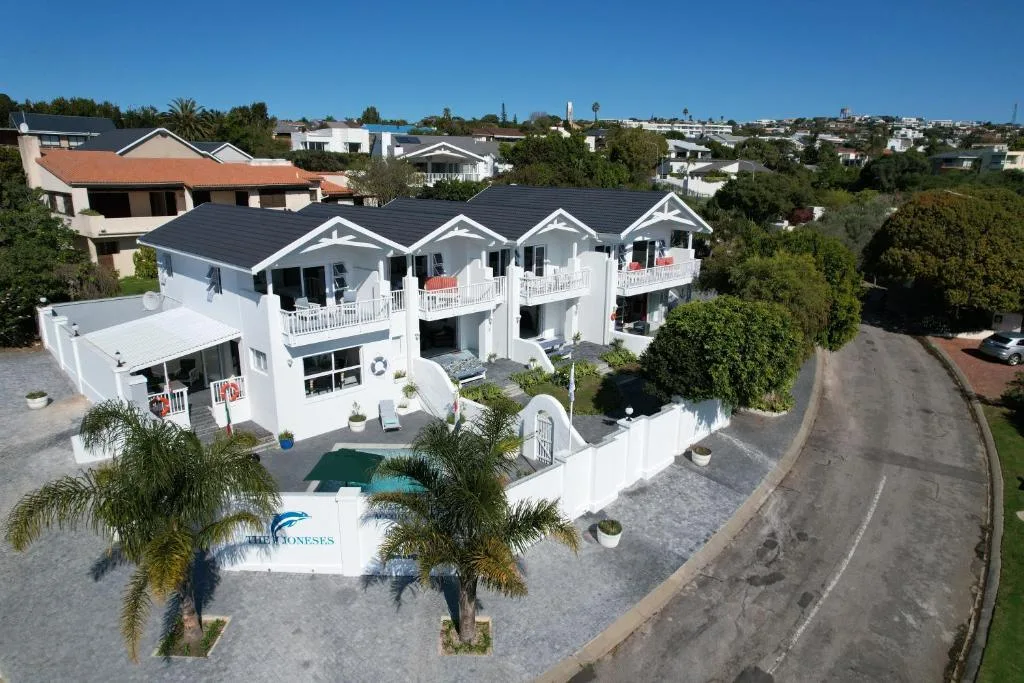
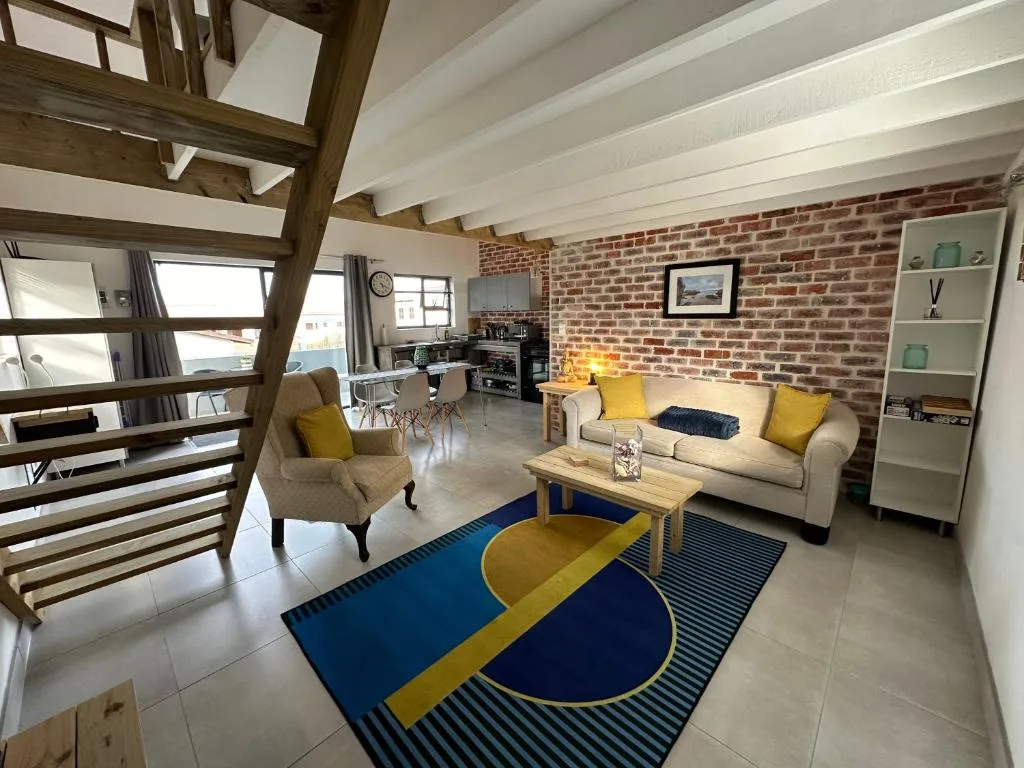
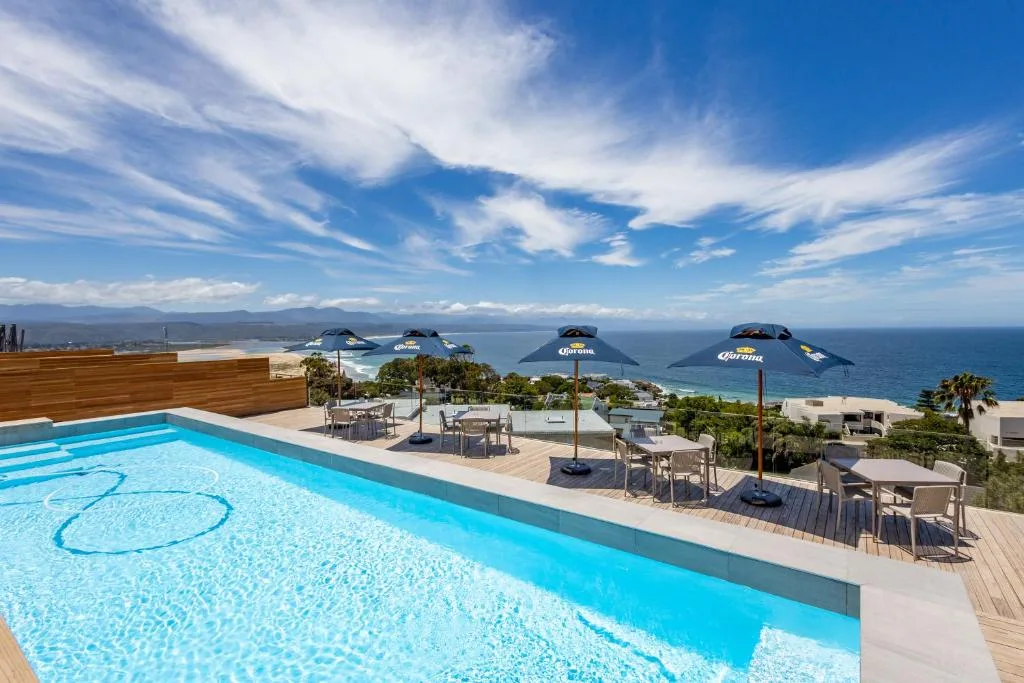
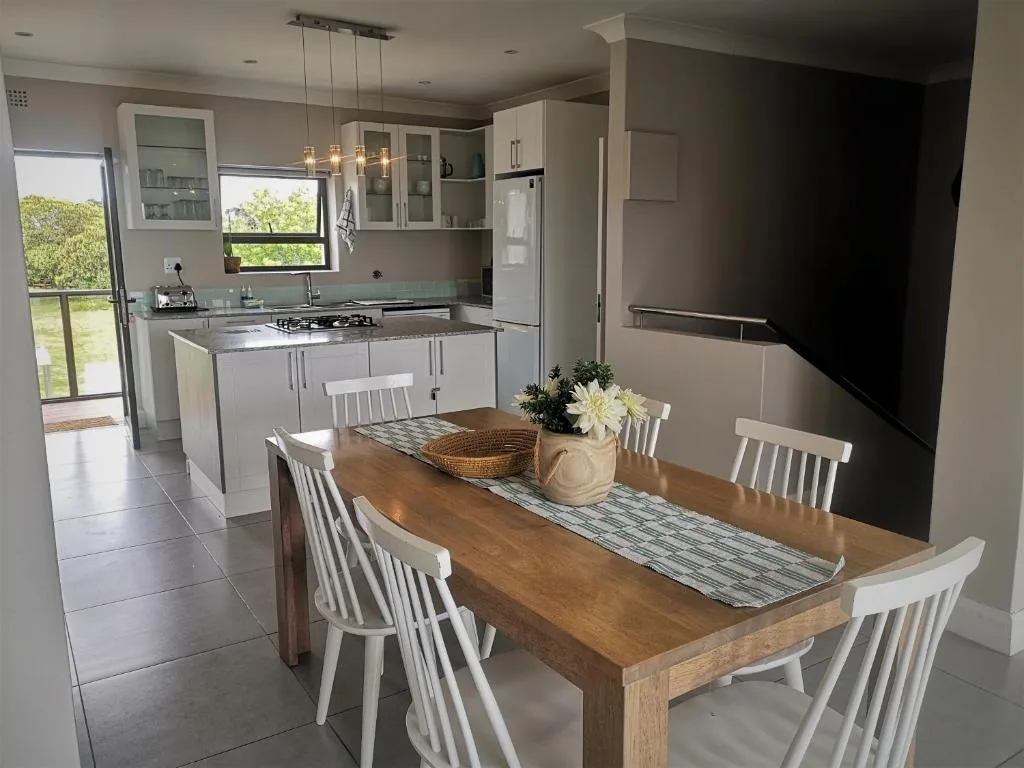
We list self-catering houses, apartments and cottages across Plettenberg Bay — from family homes with gardens and pools (ideal after a day chasing monkeys) to compact apartments near Central Beach. Browsing the listings is free; we may earn a commission if you book a stay through one of our partner links, at no extra cost to you. A few Plett self-catering picks to start with are below.
Sources
- Monkeyland Primate Sanctuary — official site & map/directions
- Birds of Eden — official site and Wikipedia: Birds of Eden
- Jukani Wildlife Sanctuary — official site
- Tenikwa Wildlife Awareness Centre — official site
- Elephant Sanctuary Plettenberg Bay — official site
- Knysna Elephant Park — official site
Place photos and review quotes — Google Maps contributors.
Where Plettenberg Bay stays sit
Every listing plotted, with attractions dotted around it. Tap a navy pill to see the stays in that cluster.
Frequently asked questions
How far is Plett from Monkeyland?
About 16 km — a 15–20 minute drive. Monkeyland sits in The Crags, east of Plettenberg Bay just off the N2 towards Nature's Valley, right next door to Birds of Eden.
Is Monkeyland a sanctuary?
Yes. Monkeyland describes itself as the world's first free-roaming, multi-species primate sanctuary. The primates aren't caged — you walk a forest trail with a guide while they move freely around and above you.
Is Jukani a true sanctuary?
Yes. Jukani is part of the South African Animal Sanctuary Alliance (SAASA) and runs a no-touch, no-breed policy. Its big cats were rescued or re-homed, cubs aren't pulled for cuddling, and there are no performing-animal displays.
Where is Jukani located?
In The Crags, roughly 10–15 km east of Plettenberg Bay on the N2, about 10 km from Monkeyland and Birds of Eden. It's the big-cat member of the SAASA trio.
How is Jukani different from a zoo?
The enclosures are far larger and more natural than zoo cages, so animals have room to hide — you might not spot every cat. Jukani rescues rather than breeds, and nothing performs for visitors.
How much is the entrance fee at the sanctuaries?
Prices change each season, so check the operator's site for the current rate. If you're visiting Monkeyland, Birds of Eden and Jukani, buy the SAASA combo or three-sanctuary TripTic ticket — it's cheaper than three single entries and can be used over separate days.